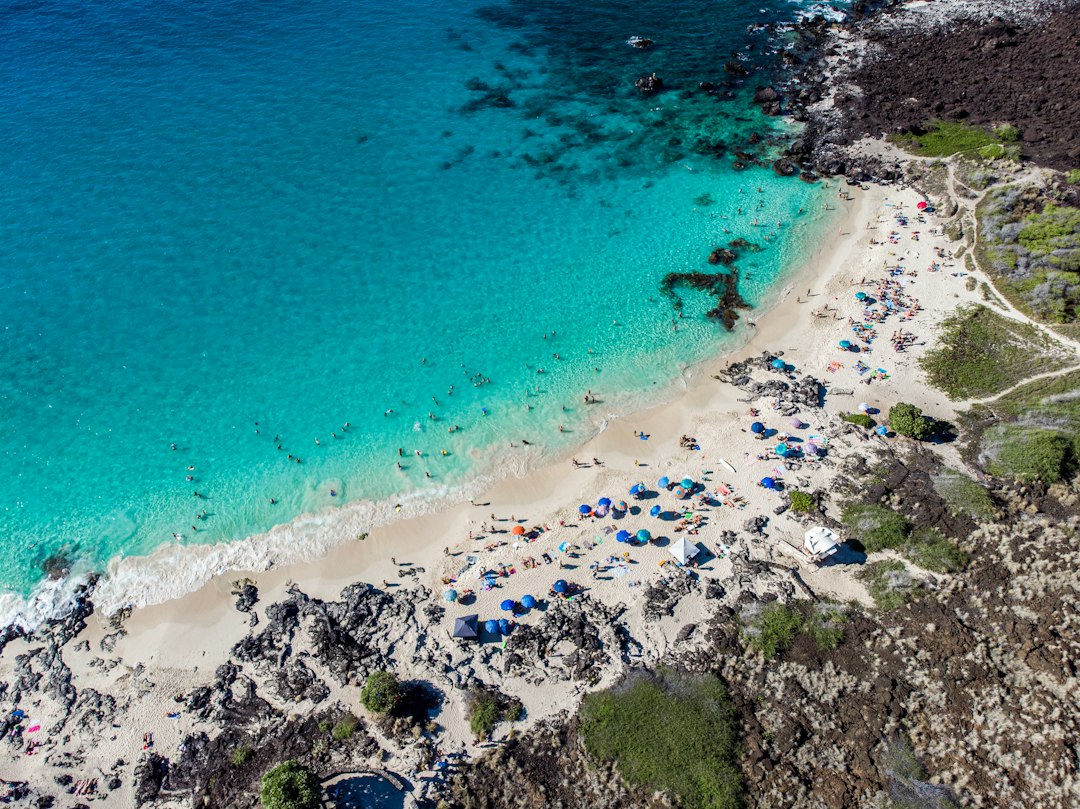
The most useful beach choice is the one that fits the day you want. A snorkeling-focused bay, a compact town beach and a broad stretch of sand offer different experiences. Compare the setting, travel effort and facilities first, then let current ocean advice determine whether entering the water is appropriate.
These west-side choices are not a beach-hopping challenge. Pick one main destination and pack for a comfortable stay, with an alternative if access or conditions change.
Before you go: Planning update — September 30, 2026: Check current park, road and ocean conditions before setting out. Local restrictions can change; choose a suitable alternative if an area is closed.
Cover photo: Kua Bay (Maniniʻōwali), on the Kona coast. Photo: Heather Morse / Unsplash.
Plan at a glance
| Beach | Main character | Useful planning detail |
|---|---|---|
| Kahaluʻu | Reef habitat and managed visitor education | Check ReefTeach guidance, parking and conservation closures. |
| Magic Sands / Laʻaloa | A compact beach on Aliʻi Drive | Restrooms, showers and lifeguard services; shore break needs care. |
| Kua Bay / Maniniʻōwali | Pale sand framed by lava | Use the correct park entrance and bring drinking water. |
| Hāpuna | A broad sandy beach for a longer outing | Managed entry, parking, picnic opportunities and lifeguard services. |
Choose Kahaluʻu for learning about the reef
The bay is living habitat, with community stewardship and guidance from The Kohala Center’s ReefTeach team when operating. Visitors should understand the appropriate entry, avoid standing on coral and follow conservation closures. A shallow-looking area is not a substitute for swimming ability. Plan a shore-based alternative for companions who do not want to snorkel, and do not assume a parking payment guarantees conditions suitable for the water.
Understand Magic Sands before choosing it
Laʻaloa is convenient to the Aliʻi Drive corridor and offers useful beach-park facilities. Its shore break and changing amount of exposed sand make it a place to assess carefully, especially with children or inexperienced swimmers. Watch from a safe position and ask lifeguards about that day’s conditions. A short scenic visit followed by a nearby meal may fit better than trying to make it a guaranteed beginner swimming day.
Pack Kua Bay as a self-contained outing
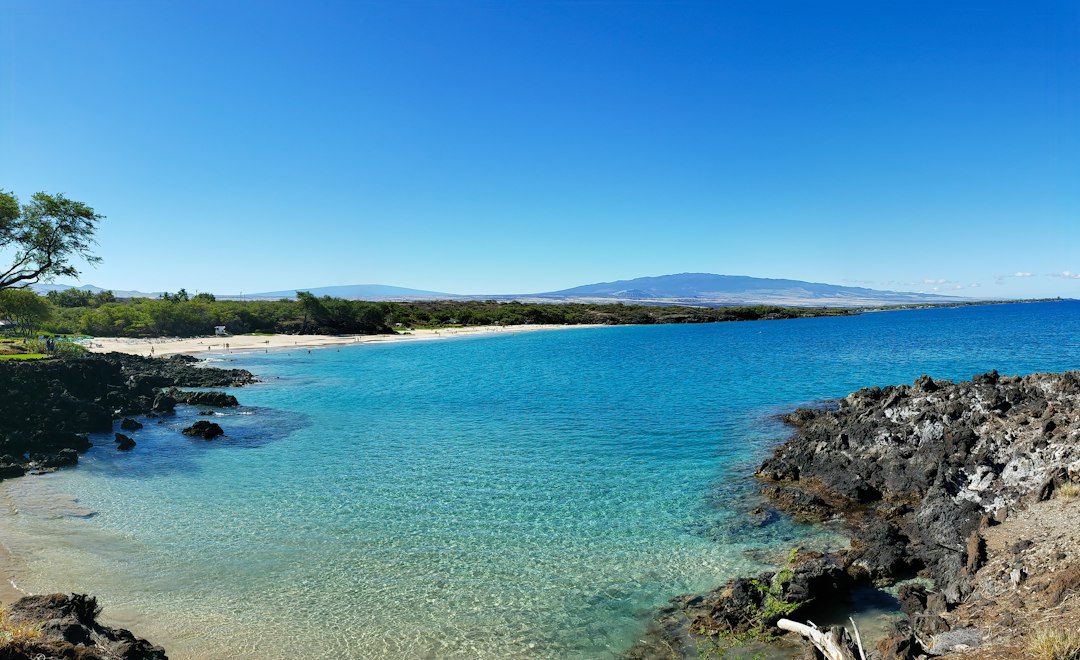
Maniniʻōwali is a section of Kekaha Kai State Park, and other names within the park do not necessarily use the same road access. Confirm the entrance for your destination and the current payment and gate arrangements. Bring sufficient drinking water, food and sun protection. The bright sand and dark lava create a memorable setting even when the ocean is unsuitable, provided the park itself is open and the land-based visit is safe.
Use Hāpuna for an unhurried beach morning
Hāpuna’s space supports a longer picnic-centered visit. It still requires planning for sun, food, the walk from parking and current park services. Lifeguards are a resource, not a guarantee of safe swimming. High surf can create powerful shore break and rip currents. If the beach is the main purpose of the day, there is no need to add several other bays before returning to Kona.
Build a practical land-based setup
Locate toilets and the lifeguard station where present, choose a clear meeting point and keep everyone’s belongings attended. Use permitted shade equipment without blocking paths or damaging vegetation. Pack a wet bag, rubbish bag and enough food for the intended stay. Assign adult supervision deliberately rather than assuming a busy group is watching the children collectively. Leave when people are tired instead of waiting until the return feels difficult.
Practical checklist
- Check access, ocean and water-quality notices before leaving.
- Bring a payment card for parks that use cashless visitor fees.
- Choose one main beach instead of repeatedly unpacking and parking.
- Keep a meal or cultural alternative ready for unsuitable sea conditions.
- Rinse equipment only at appropriate facilities and take all rubbish away.
Frequently asked questions
Which beach should first-time snorkelers choose?
Start with instruction and an assessment of swimming ability and conditions. A popular snorkeling label does not establish that a beach is suitable on your day.
Are all Kona beaches free to park at?
No. Visitor parking and entry arrangements differ, and state park fees can apply. Check the exact beach before setting the budget.
Looking for another part of your trip? Use the Hawaii travel planner to browse all guides by island, trip length and travel style.
Choose a home for this itinerary
Ocean conditions determine whether to swim. A home with a pool gives the group another way to spend an afternoon.
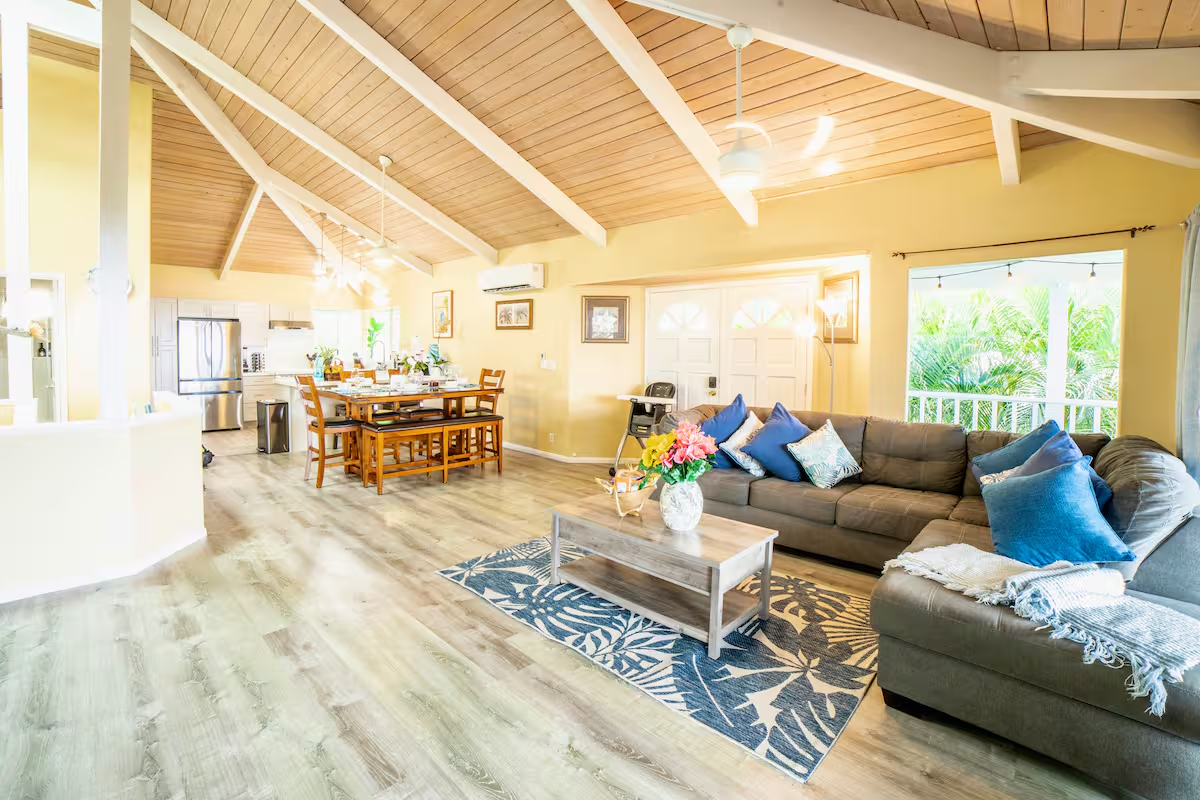
- Kona Luxury Estate: private pool, air conditioning, multiple bedroom suites. Check this home on Airbnb.
- 3-Bedroom Ocean View Pool Home: private pool, ocean-view lanai, air conditioning. Check this home on Airbnb.
Home facts are sourced from Airbnb; review the current listing, guest limit, house rules and full price for your dates before booking.
Official information for planning this outing
- Beach selection and ocean guidance — Hawaiʻi Department of Health
- Hāpuna: admission, parking and park notices — DLNR
- Hawaiʻi Island state parks and access notices — DLNR
Use these sources for current access, schedules, participation requirements and fees. Conditions can change after publication.
Visitor-information sources: Hawaiʻi DLNR: Hāpuna and Kekaha Kai; Hawaiʻi County: Magic Sands Beach Park; The Kohala Center: Kahaluʻu Bay; Hawaiʻi Ocean Safety. Research reviewed September 27, 2026. Opening, fees, reservations and access can change; confirm the current arrangements with the named organization.