A good first Hawaii trip begins with one decision: which experiences matter enough to shape the week? Volcano landscapes point toward Hawaiʻi Island; a city-and-beach holiday points toward Oʻahu. Maui suits a coast-and-mountain combination, while Kauaʻi rewards travelers who want dramatic scenery and are willing to adapt to access and weather. Pick the experiences first, then choose the island and accommodation.
For seven nights, one island gives you time to settle in. With ten nights, a two-island trip becomes more comfortable, provided you treat the flight between islands as a travel day. Kona is on Hawaiʻi Island, also called the Big Island; it is not a neighborhood of Honolulu.
Before you go: Planning update — September 30, 2026: Check current park, road and ocean conditions before setting out. Local restrictions can change; choose a suitable alternative if an area is closed.
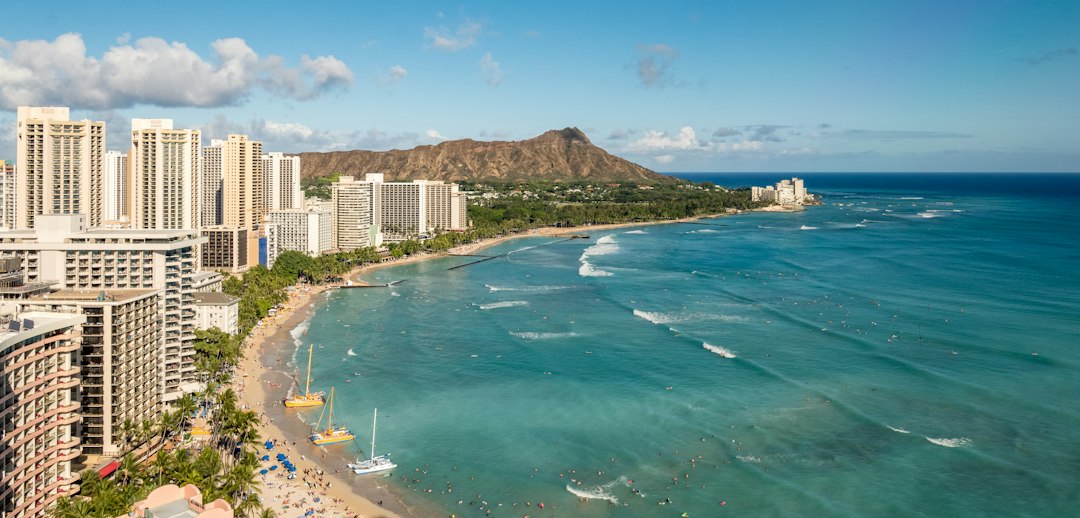
Cover photo: Waikīkī, Oʻahu; Honolulu is on a different island from Kona. Photo: AussieActive / Unsplash.
Plan at a glance
| When | Focus | Plan |
|---|---|---|
| Days 1–2 | Arrive and explore locally | Collect the car, settle in and choose one nearby beach or cultural visit. |
| Days 3–4 | Two different landscapes | On Hawaiʻi Island, pair a South Kona day with a separate Kohala beach day. |
| Day 5 | Your main excursion | Reserve a full day for the volcano area or another major outing. |
| Days 6–7 | Flexible time and departure | Keep a weather alternative and an unhurried final day. |
| Days 8–10, if available | A second island or a deeper stay | Add a flight and a new base, or stay longer on the same island. |
Hawaiʻi Island: coast, coffee country and volcanoes
Choose Hawaiʻi Island when variety matters more than seeing everything close together. From a Kona base, Historic Kailua Village, coffee country and the west-coast beaches make useful local days. Hawaiʻi Volcanoes National Park deserves its own substantial outing, and Hilo works especially well as a second base on a longer trip. Avoid building a day that includes a Kona beach, Hilo waterfalls and the volcano area: the road time would crowd out the experiences you came to enjoy.
Oʻahu: famous sights with a city base
Waikīkī combines a beach setting with a wide choice of places to eat and shop. Add a reserved Diamond Head visit on a suitable morning, then make a separate cultural day around ʻIolani Palace or Bishop Museum. Hanauma Bay is a different outing with its own entry system and closure days. A Honolulu stay can work with a mix of walking, transit and booked transport, but check the exact location of your accommodation before assuming every attraction is nearby.
Maui: keep the mountain and coastal days separate
On Maui, consider one main beach area, a Haleakalā visit and a carefully planned East Maui outing. Sunrise at Haleakalā needs advance arrangements; a park entrance pass alone does not replace the sunrise reservation. The Road to Hāna is a full day of winding roads, stops and decisions, rather than a quick drive to fit between other activities. Leave room to support local businesses and follow community access restrictions.

Kauaʻi: make access part of the itinerary
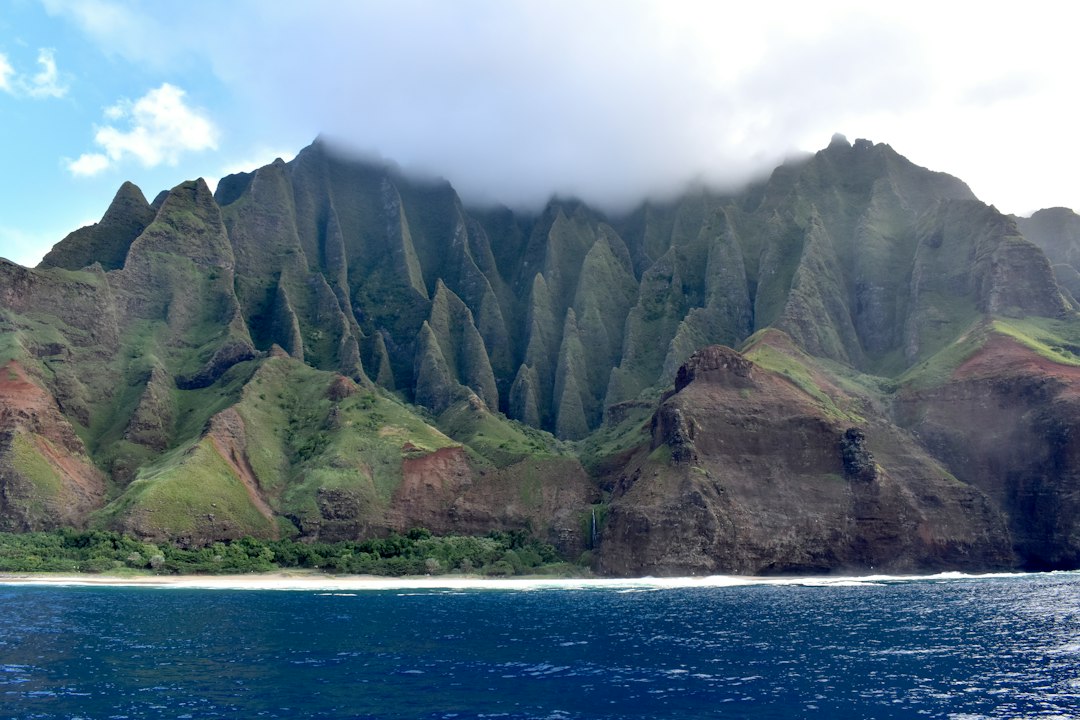
Nā Pali scenery, Hanalei and the south shore offer very different views of Kauaʻi. Hāʻena access is managed through reservations, while the Waimea Canyon and Kōkeʻe area requires a separate drive. Do not assume a road circles the island. Check current public-land access and community guidance before choosing the route. A boat trip also depends on sea conditions and the departure harbor.
How to divide ten days
A practical two-island structure is six nights on the island with your longest wish list and four nights on the second. Keep your final night on the island from which your onward flight departs unless the booking already provides a suitable connection. Add baggage collection, car return, airport check-in and another transfer to the short flight itself. Each island has separate car arrangements; do not build your plan around taking a rental car between these four islands.
Book the anchors, leave space around them
Start with accommodation, flights and the experiences that require timed entry. Then group the remaining sights by area. Give an ocean activity a second possible day early enough in the trip for a weather change. A free afternoon is useful for discovering a café, enjoying the beach when conditions suit, or simply resting. It also makes the schedule resilient when a trail, road or attraction closes.
Practical checklist
- Write the island name beside every attraction before booking anything.
- Keep one main activity per day; add nearby stops only after checking road time.
- Budget separately for rental cars, parking, park entry and inter-island baggage.
- Choose beaches using current lifeguard advice, not a photograph of calm water.
- Use the attraction’s official booking system and confirm the date, party size and entry conditions.
Frequently asked questions
Can I visit all four islands in one week?
It is possible to spend the week in airports, but it leaves very little time on each island. For a first seven-night trip, one island is the more useful starting point.
Is Kona a good base for the whole Big Island?
Kona works well for west-coast days. If your main interests are Hilo, rainforest walks and repeated volcano visits, compare a split stay rather than returning across the island every evening.
Looking for another part of your trip? Use the Hawaii travel planner to browse all guides by island, trip length and travel style.
Choose a home for this itinerary
Choose your island before your home. The following homes are on Hawaiʻi Island and suit different group sizes.
- Kona Vacation Home: kitchen, air conditioning, wi-fi, backyard bbq. Check this home on Airbnb.
- Blue Lagoon of Kona Estate: main house and ohana, two private pools, hot tub. Check this home on Airbnb.
Home facts are sourced from Airbnb; review the current listing, guest limit, house rules and full price for your dates before booking.
Official information for planning this outing
- Compare the Hawaiian Islands — GoHawaii
- Kona region guide — GoHawaii
- Kona Airport ground transportation — Hawaiʻi DOT
Use these sources for current access, schedules, participation requirements and fees. Conditions can change after publication.
Visitor-information sources: Hawaiʻi Tourism Authority / GoHawaii island guides; Hawaiʻi DLNR State Parks visitor information and park notices; National Park Service visitor information. Research reviewed September 27, 2026. Opening, fees, reservations and access can change; confirm the current arrangements with the named organization.