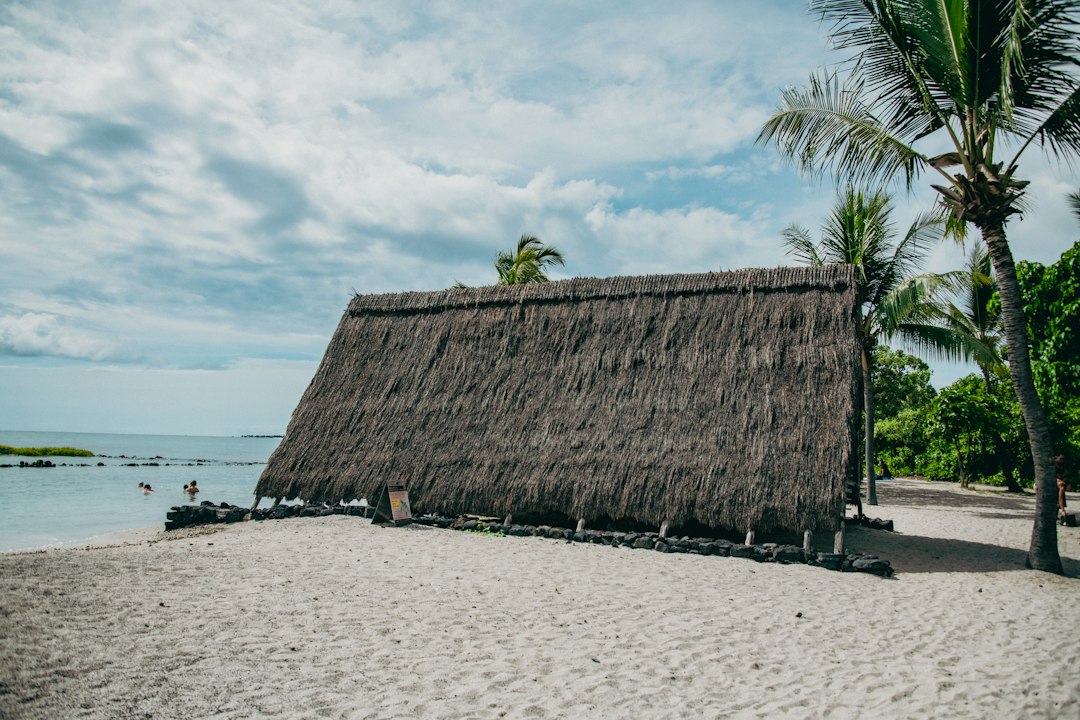
Kaloko-Honokōhau National Historical Park brings cultural history and coastal ecology into the same outing. Fishponds, a fishtrap landscape, paths and shoreline habitat help visitors understand relationships between people, food and place. It is a worthwhile Kona-area experience for travelers who want more than another beach photograph.
Choose a half-day structure with time for orientation and one suitable walking route. The open coastal terrain can feel demanding in the heat even when the intended distance seems modest.
Cover photo: Kaloko-Honokōhau National Historical Park. Photo: Corey Simoneau / Unsplash.
Plan at a glance
| When | Focus | Plan |
|---|---|---|
| Start | Check the open visitor facilities | Ask about current routes and interpretation. |
| Main visit | Choose one cultural landscape focus | Spend time with the fishpond or coastal history rather than rushing. |
| Optional pause | Observe wildlife from an appropriate distance | Stay on the route and follow barriers. |
| Finish | Return for a meal and rest | Leave the larger excursion for another day. |
Understand the park before choosing a path
Use the visitor information to see how the historic features connect to one another. A fishpond is not simply an attractive pool; its structure and position reveal knowledge of food production and the coastal environment. Read the interpretation and ask staff which open route best matches your interests. The visitor center and other access points have different operating arrangements, so choose deliberately rather than following an arbitrary map pin.
Give the fishpond landscape time
Look at the scale of the walls and the relationship between land and water from designated areas. Do not walk onto protected structures or move stones for a photograph. The experience rewards patient observation: light, birds and water can change the scene while you pause. A guided explanation, when available, may help you notice features you would otherwise pass without understanding their purpose.
Plan for sun and uneven ground
Bring water, appropriate shoes and a realistic walking limit. Check the route’s surface and distance with staff if traveling with young children or someone with reduced mobility. An easy-looking coastal photograph does not describe the whole access path. Start the outing with the supplies you need and leave a margin to return before facilities or gates close. Keep the afternoon flexible if the morning proves hotter or more tiring than expected.
Watch wildlife without changing its behavior
Birds and marine wildlife may be part of the visit, but they are not an attraction that staff can guarantee. Use binoculars or a camera zoom, stay behind barriers and avoid blocking an animal’s movement. If a turtle is resting, observe from well back rather than approaching for a close portrait. Quietly watching the habitat can be rewarding even when no prominent animal appears.
Pair the visit with a simple Kona afternoon
After the park, choose a meal along your return route and leave time for rest or a short town visit. This is a useful half-day between larger drives, and it can also introduce cultural themes before a later trip to Puʻuhonua o Hōnaunau. Avoid placing it immediately before a tight flight unless luggage and airport timing are fully settled. The park deserves attention, not a race through a final checklist.
Practical checklist
- Check the current hours for the specific access point and parking area.
- Choose a route with staff guidance when terrain or mobility is a concern.
- Carry water and sun protection.
- Stay off historic walls and protected features.
- Give wildlife space and keep food and rubbish contained.
Frequently asked questions
Is Kaloko-Honokōhau only for hikers?
No. Cultural interpretation and a carefully chosen shorter visit can be rewarding. Match the route to the group’s ability and the conditions.
Can we guarantee a turtle sighting?
No. Wildlife is free-ranging, and respectful observation means accepting that animals may not be present.
Choose a home for this itinerary
Pair a manageable cultural outing with time back at the house instead of filling the rest of the day with driving.
- Kona Vacation Home: kitchen, air conditioning, wi-fi, backyard bbq. Check this home on Airbnb.
- Kona Lava Flow Estate: private pool, pool table, main house and additional wing. Check this home on Airbnb.
Home facts are sourced from Airbnb; review the current listing, guest limit, house rules and full price for your dates before booking.
Official information for planning this outing
- Kaloko-Honokōhau visitor information — National Park Service
- Marine wildlife viewing in Hawaiʻi — NOAA Fisheries
Use these sources for current access, schedules, participation requirements and fees. Conditions can change after publication.
Visitor-information sources: National Park Service: Kaloko-Honokōhau National Historical Park; National Park Service: Kaloko-Honokōhau hours and access; NOAA Fisheries: wildlife viewing guidance. Research reviewed September 27, 2026. Opening, fees, reservations and access can change; confirm the current arrangements with the named organization.