
Thoughtful travel begins with attention: to the meaning of a place, the people who live there and the effect of an ordinary visitor decision. Hawaii’s famous views are part of living communities and ecosystems. Understanding that context can make the trip richer without turning every day into a complicated set of rules.
Build a few good habits into the itinerary. Leave time for interpretation, use designated access, support businesses intentionally and treat the ocean and wildlife with care.
Before you go: Planning update — September 30, 2026: Check current park, road and ocean conditions before setting out. Local restrictions can change; choose a suitable alternative if an area is closed.
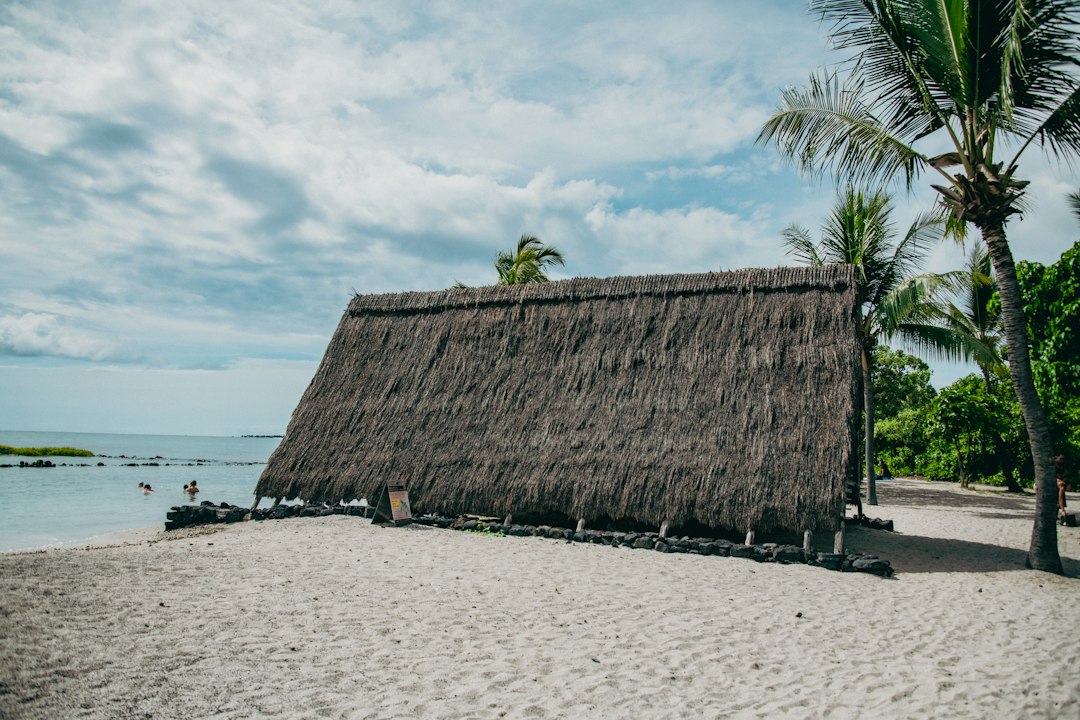
Cover photo: Puʻuhonua o Hōnaunau; respect barriers around cultural features. Photo: Ulrike R. Donohue / Unsplash.
Plan at a glance
| Situation | Useful choice | What it improves |
|---|---|---|
| Cultural site | Read, listen and stay within designated areas | A deeper understanding of the place. |
| Beach or reef | Follow current local guidance and avoid contact with coral | A more responsible ocean visit. |
| Wildlife encounter | Watch from a distance without pursuit | The animal can continue its behavior. |
| Shopping or dining | Ask about local origins and makers | Purchases become more meaningful. |
| Closed route | Choose an open alternative | Communities and landscapes can recover without added pressure. |
Give Hawaiian history space in the holiday
A visit to Puʻuhonua o Hōnaunau, Kaloko-Honokōhau or a cultural museum can change how you understand the surrounding landscape. Read the interpretation and listen to the people responsible for telling the site’s story. Protected walls, structures and ceremonial spaces deserve more than a quick photograph. Ask before taking pictures where the situation is uncertain, and avoid staging poses that interfere with other visitors or the meaning of the place.
Let stewardship shape the beach plan
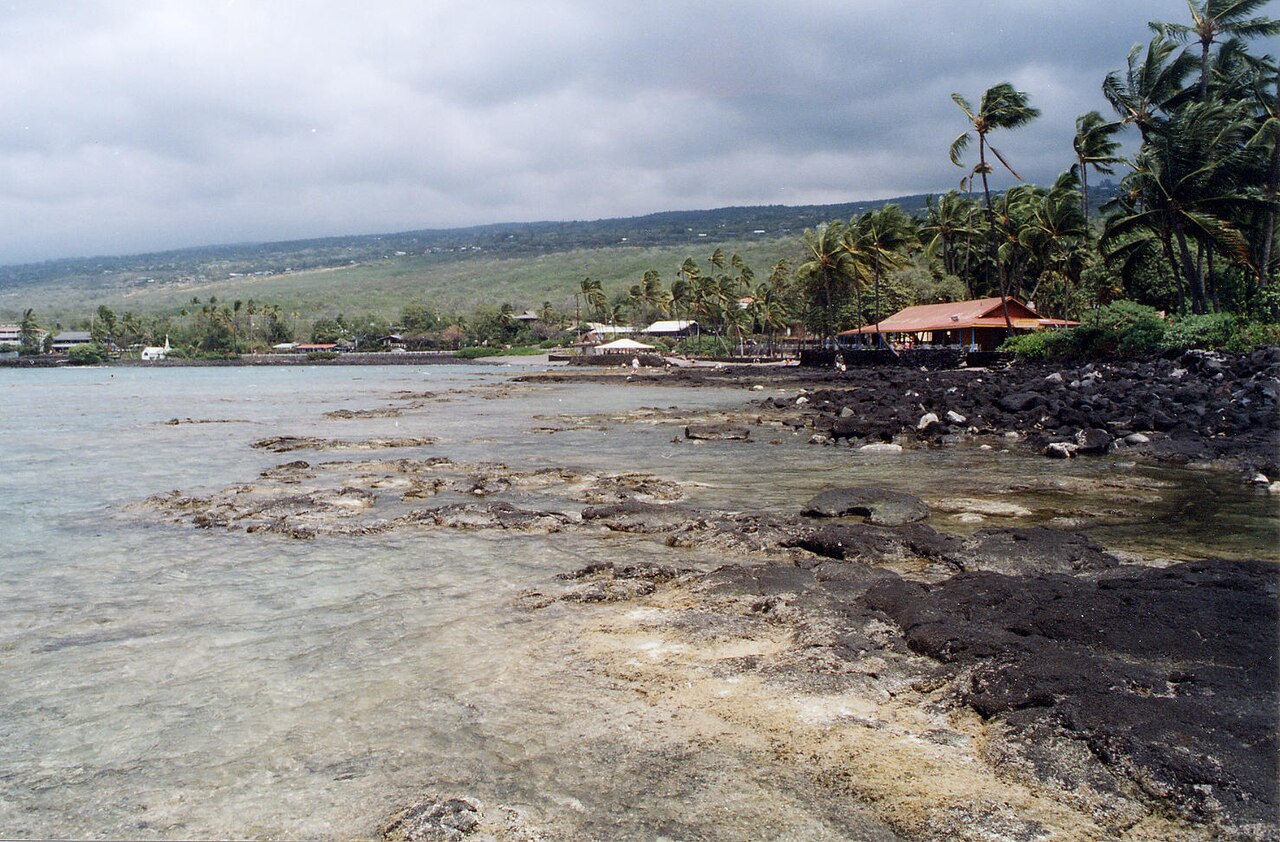
At a reef location such as Kahaluʻu, local guidance helps explain how to enter, float and observe with less disturbance. Stay off coral and avoid kicking the bottom. Follow rest periods and conservation closures even if the water looks inviting. Bring the supplies you need, take rubbish away and use facilities appropriately. A responsible beach day can still be joyful; the preparation simply keeps enjoyment connected to care.
Keep wildlife encounters on the animal’s terms
Use the relevant viewing distances and any on-site barriers, and avoid touching, feeding or following an animal. Do not choose a tour because it promises exceptionally close contact. A camera zoom or binoculars can preserve the encounter without adding pressure. Accept that no sighting may occur. A beach or boat outing should have value beyond one species appearing at the exact moment the visitor arrives.
Spend with curiosity
Ask where coffee was grown, who made a craft or what a particular dish means to the business serving it. Buy quantities you will use and pay attention to the work behind the product. A small, considered purchase can be more satisfying than a bag of interchangeable souvenirs. If joining a volunteer or cultural activity, choose a legitimate organized program that welcomes visitors and follow its arrangements rather than arriving unannounced to help.
Respect the practical needs of a lived-in island
Keep driveways and narrow roads clear, use legal parking and follow the rules of the accommodation. Vacation homes are not automatically event venues, and a scenic shortcut may cross private land. During storm recovery or other closures, choose another open experience instead of searching for an unofficial way in. The flexible time in a good itinerary makes these choices easier and usually leads to a calmer holiday.
Practical checklist
- Include at least one substantive cultural visit, not only scenic stops.
- Use current official access information and follow barriers.
- Ask permission when photographing people, artwork or private spaces.
- Keep wildlife distance and reef care part of every ocean outing.
- Choose purchases and experiences for their actual origin and meaning.
Frequently asked questions
Does thoughtful travel mean giving up the famous sights?
No. It means visiting with context, appropriate access and enough time to behave considerately.
What is the most useful planning habit?
Leave flexibility. It makes it easier to respect a closure, change an unsuitable ocean activity or spend longer in a place that interests you.
Choose a home for this itinerary
Choose a home that suits the permitted group size, parking and quiet hours so your stay fits the residential neighborhood.
- Dolphin Bay Estate: main house and cottage, air conditioning, kitchen, workspace. Check this home on Airbnb.
- Kona Vacation Home: kitchen, air conditioning, wi-fi, backyard bbq. Check this home on Airbnb.
Home facts are sourced from Airbnb; review the current listing, guest limit, house rules and full price for your dates before booking.
Official information for planning this outing
- Responsible travel — GoHawaii
- Puʻuhonua o Hōnaunau visitor information — National Park Service
- Marine wildlife viewing in Hawaiʻi — NOAA Fisheries
Use these sources for current access, schedules, participation requirements and fees. Conditions can change after publication.
Visitor-information sources: Hawaiʻi Tourism Authority / GoHawaii: Mālama Hawaiʻi; National Park Service: Hawaiʻi cultural parks; The Kohala Center: Kahaluʻu Bay stewardship; NOAA Fisheries: Hawaiʻi wildlife guidance; Hawaiʻi DLNR: park access and notices. Research reviewed September 27, 2026. Opening, fees, reservations and access can change; confirm the current arrangements with the named organization.