A Kona coffee visit can explain the drink in your cup, the work behind it or the lives of the families who shaped the region. Those are related themes, but they produce different visitor experiences. Choose the format that interests you instead of booking several stops simply because each includes a tasting.
Two useful starting points are Greenwell Farms for a guided introduction to growing and processing, and the Kona Coffee Living History Farm for a historical perspective. Check the current schedule for your travel dates before building the day around either.
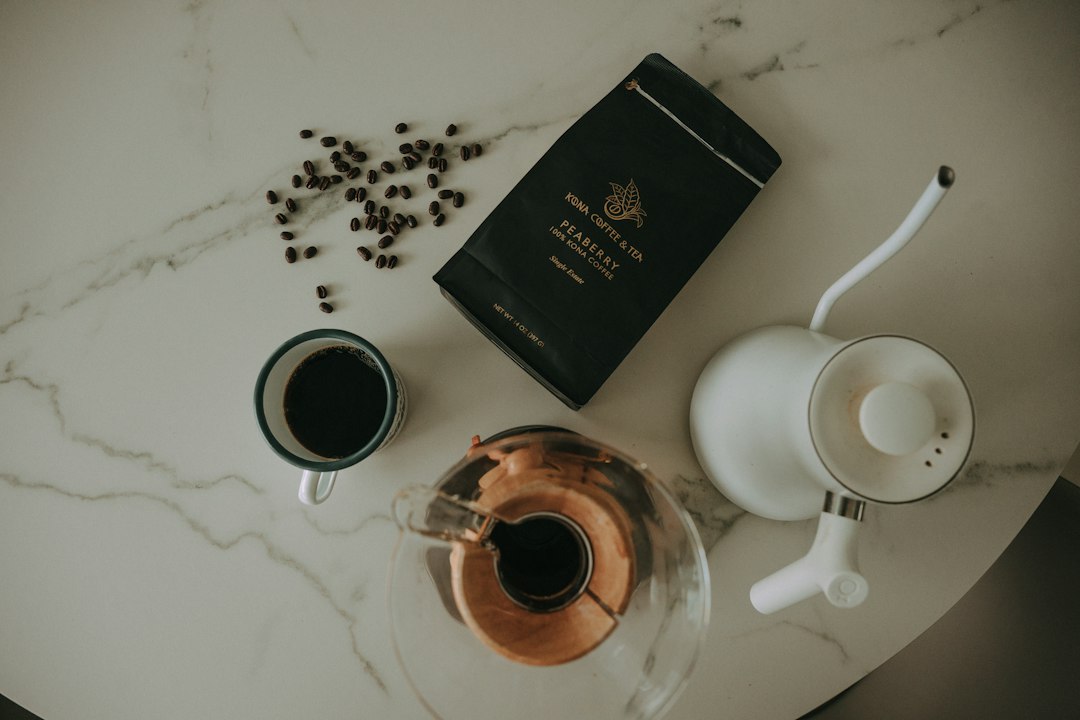
Cover photo: Coffee-brewing illustration; not a photograph of a named Kona farm. Photo: Blake Wisz / Unsplash.
Plan at a glance
Best for: choosing one coffee experience with a clear purpose.
Area: Kealakekua/Captain Cook, or a separate Hōlualoa café outing.
Time: half-day with travel and a meal.
Reserve: private groups; verify limited operating days.
Cost items: paid visits, private tours, coffee purchases and food.
| Place and purpose | Current planning detail | Route and what to buy |
|---|---|---|
| Greenwell Farms · production tour | The dedicated tour page lists free 45–60-minute tours daily, 8:30am–2pm, with no reservation for the regular tour. Arrive 10–15 minutes early. | Farm map. Taste first, then choose beans and the grind suited to the home’s equipment. |
| Kona Coffee Living History Farm · people and history | Tuesday and Friday, 10am–2pm; last entry 1:15pm on the current visitor page. | History-farm map. Make interpretation the main reason for visiting. |
| A short tasting or café stop | Choose this if the group wants coffee without a full walking tour. | Hōlualoa art-and-coffee route for a different half-day. |
| Private group format | Greenwell directs groups over 15 to arrange a private group tour. | Confirm the date, route, standing time and all-in quote directly. |
Use the current tour page, not an old schedule
Greenwell’s dedicated tour page and FAQ displayed different final departure times at review. This guide uses the dedicated page’s 2pm final tour; recheck before setting out. The same page marks the Deluxe Tour & Tasting as canceled until further notice, even though descriptive text remains below it. Do not build a trip around that product without confirmation.
Choose one main visit and one meal
For production, leave time to taste after the Greenwell tour. For social history, choose the Living History Farm on an operating day and give the interpretation your attention. A full version of both is unnecessary unless coffee is the group’s main interest.
Captain Cook Shaka Tacoz pickup can fit a South Kona return. On a Thursday, the Historical Society separately lists Portuguese stone-oven participation from 10am–noon and bread sales around 1pm until sold out; this is at its Kalukalu headquarters, not the Living History Farm. Choose that as its own timed stop.
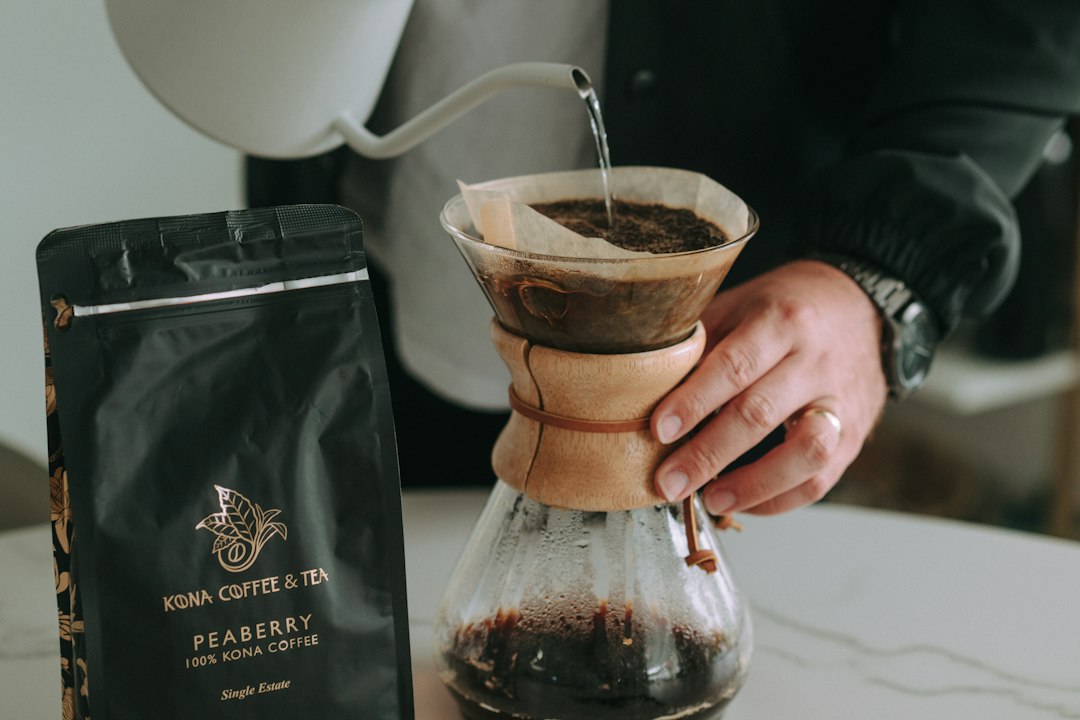
Before buying, ask about origin, roast date, whole beans versus ground and the brewing equipment you will use. Buy a manageable amount for breakfast at the rental and a clearly labeled gift, then keep the rest of the afternoon free.
Practical details checked October 11, 2026. Confirm dates, access, conditions and complete charges before booking.
Choose Greenwell for the production story
The regular guided experience explains coffee cultivation and processing and includes an opportunity to taste. At review, the free tour was described as roughly 45–60 minutes, with frequent daytime departures. The terrain includes grass, gravel and uneven or sloping ground. Confirm the current schedule and group arrangements; a large party should not assume it can join the next departure without advance discussion.
Choose living history for the people behind the crop
The Kona Historical Society’s farm presents the experience of Japanese immigrant coffee-farming families through a historic setting and interpretation. It offers a different question from a modern tasting: what did daily work and home life look like here? Give the site time for its buildings, objects and stories. Do not rely on an old event listing to promise a particular demonstration; ask what is offered on your date.
Ask questions that connect the visit to the cup
Ask about the growing area, harvest, processing method and how the coffee was roasted. Taste a small number slowly rather than trying to judge every sample at once. Notice what you personally enjoy instead of treating a dark or light roast as automatically better. If a guide explains a processing stage that is not happening that day, distinguish the explanation from a live demonstration; agricultural work follows its own rhythm.
Buy coffee with clear expectations
Read the label for origin and blend information, and ask whether the beans are suitable for your brewing equipment. Whole beans and ground coffee have different practical uses for a traveler. Buy an amount you expect to enjoy and check the packaging for the journey home. A good souvenir carries the memory of a conversation and a flavor you liked, rather than simply the most elaborate bag on the shelf.
Add a complementary stop, not another identical tour
After the farm, choose lunch and either a cultural visit in South Kona or a quieter return. Puʻuhonua o Hōnaunau creates a meaningful contrast when park access and timing work. Hōlualoa’s galleries belong to a different outing if you want time to browse several. Coffee-country roads and individual business schedules make an overfilled list less pleasant than one well-chosen experience and an unhurried meal.
Practical checklist
- Confirm the specific tour format and operating schedule.
- Wear shoes suited to outdoor farm surfaces.
- Ask about group bookings and mobility needs before arriving.
- Check labels for origin and blends before buying.
- Do not plan around a seasonal process or special demonstration unless confirmed.
Frequently asked questions
Are all Kona coffee visits the same?
No. A working-farm tour, a historical site and a retail tasting serve different interests. Choose the experience rather than the label alone.
Do I need to be a coffee expert?
No. Curiosity is enough. Ask basic questions and compare a small number of samples at your own pace.
Farm tour, history visit or a quick tasting?
Choose a working-farm tour when your main interest is how coffee is grown and processed. Choose the Kona Coffee Living History Farm for the cultural and agricultural history of a working homestead. Choose a shorter tasting or shop stop when coffee is one part of a larger South Kona day.
Check each operator separately for opening dates, tour length, booking requirements, fees and the walking surface. The history farm and a commercial farm tour are different visits; one operator’s free-tour offer does not establish another venue’s admission policy.
Choose a home for this itinerary
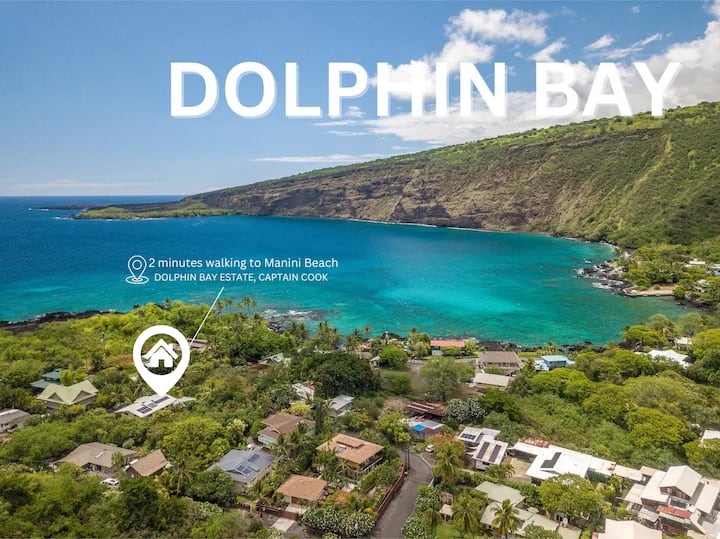
Dolphin Bay Estate
A South Kona base is worth comparing if coffee-country and cultural visits are central to the stay.
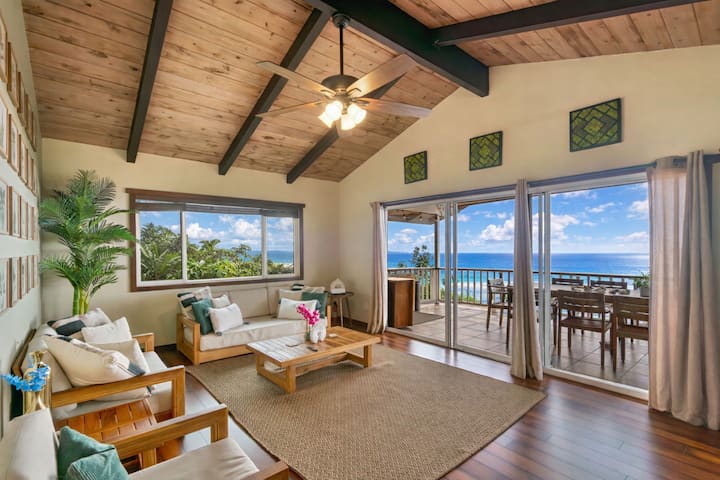
Hōlualoa Hilltop Home
The ocean-view dining lanai makes a morning cup and breakfast at home part of the trip.
Features are specific to each Airbnb listing. Check the current guest limit, bed layout, access, house rules and full price for your dates. Public map locations are approximate.
Official information for planning this outing
Use these sources for current access, schedules, participation requirements and fees. Conditions can change after publication.
Visitor-information sources: Greenwell Farms: free farm tours and visitor FAQ; Kona Historical Society: Kona Coffee Living History Farm; Kona Historical Society: Uchida family and farm interpretation. Research reviewed September 27, 2026. Opening, fees, reservations and access can change; confirm the current arrangements with the named organization.