A first snorkeling experience is better when confidence comes before the destination checklist. Clear water in a photograph does not show the current, entry, depth or effort of returning to shore. Begin with an honest assessment of swimming ability, appropriate instruction and the conditions on the day.
Kona offers several very different ocean experiences. A reef-bay visit, a boat excursion and a night manta activity are not interchangeable beginner options.
Before you go: Planning update — September 30, 2026: Check current park, road and ocean conditions before setting out. Local restrictions can change; choose a suitable alternative if an area is closed.
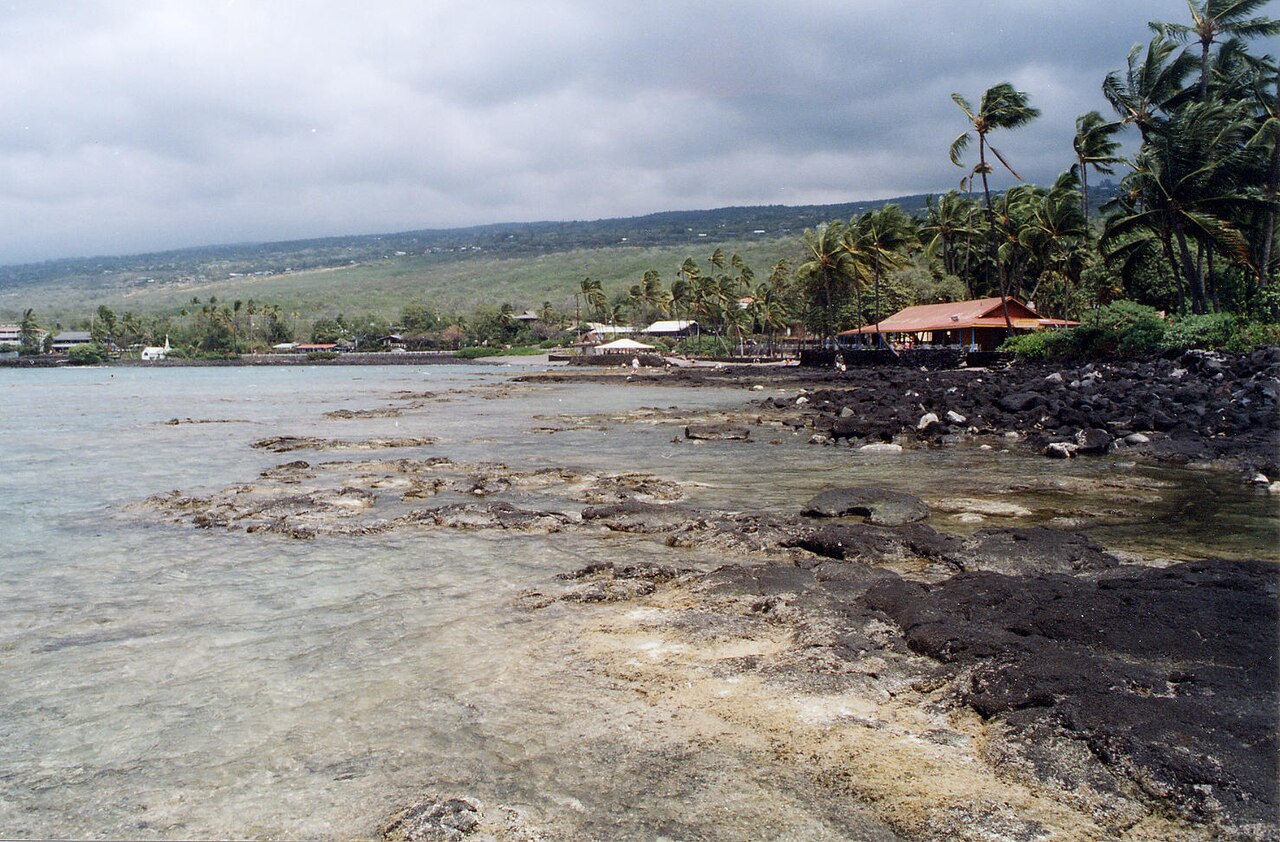
Cover photo: An earlier photograph of Kahaluʻu Bay; follow current park and reef-stewardship guidance. Photo: Joseph H. Hartman / Wikimedia Commons (CC0).
Plan at a glance
Best for: first-time snorkelers and groups with mixed swimming ability.
Time: allow a half-day plus check-in and travel.
Reserve: the specific vessel and participant categories.
Cost items: tickets, parking, meals not included and optional extras.
| Option | Departure and published duration | Participation and comfort |
|---|---|---|
| Fair Wind II morning | Keauhou Bay; 4.5-hour cruise. The page lists 8:30am check-in and 1:30pm return. | Catamaran with shade, restrooms and showers; breakfast and lunch. Ask about beginner instruction, boarding and your specific swimming ability. |
| Fair Wind II afternoon | Keauhou Bay; 3.5-hour cruise, with 1:30pm check-in and 5:30pm return on the current page. | A shorter format without the morning tour’s breakfast and lunch. Plan a meal before check-in. |
| KONASTYLE morning Snorkel & Sail | Kailua-Kona town check-in; 4-hour tour. Check-in map. | Sailing catamaran with covered/open-air seating. Water participants must swim without a flotation aid and meet the operator’s limits. |
| Stay-dry plan | A marine-learning visit or a confirmed boat ride-along. | Ask about ride-along admission before booking. Do not assume a float or viewing box makes a non-swimmer eligible to snorkel. |
Match the participant to the actual booking
KONASTYLE’s FAQ says children must be at least 5 to enter the water and must swim independently; a parent or guardian must stay aboard with a child riding along. It requests check-in 30 minutes before departure at its retail store. Its tour page also sets a 300-pound limit for water participants. Read the current rules for every traveler instead of using one booking for the group by default.
Use a simple decision sequence
- Can each swimmer meet the operator’s current requirements? If not, arrange suitable instruction or a stay-dry day.
- Which check-in is practical from the home: town or Keauhou? Include parking and the walk to the meeting point.
- What boarding, ladder or stair access is involved? Describe mobility needs before paying.
- Which meal is included, and when will everyone eat after returning?
- What changes if weather cancels the tour, and can the booking move within your stay?
A booking does not override same-day conditions or a crew decision. Leave the afternoon light after a morning trip, with dry clothes and time at home. For several households, compare shared versus private charters before choosing the vessel. Keep night manta activities as a separate decision.
Practical details checked October 11, 2026. Confirm dates, access, conditions and complete charges before booking.
Learn the skills before making the ocean the classroom
Comfort with breathing through a snorkel, using a mask and moving calmly takes practice. Ask a qualified provider about instruction appropriate to your ability rather than expecting a busy excursion to teach everything at once. Flotation equipment does not replace all swimming requirements. If you are uncertain, choose a learning experience or remain on shore instead of joining because companions have already paid.
Use Kahaluʻu’s local guidance when the park is open
Kahaluʻu’s reef setting is supported by stewardship and visitor education. Listen to ReefTeach and lifeguard guidance about the current entry and conditions, and respect conservation rest periods. Avoid standing on coral or kicking the seabed. The bay’s reputation should never overrule the advice on arrival. A land-based visit and a nearby meal can still create a good day when snorkeling is unsuitable.
Understand what a boat trip adds
A guided excursion may provide equipment, briefing and access to a particular area, but it also introduces boarding, vessel motion and a different water-entry situation. Ask about the exact requirements and support before booking. Kealakekua Bay has marine-area rules and permitted access arrangements. Choose a responsible operator, and do not assume that a famous snorkeling location makes every tour there suitable for a first attempt.
Keep night manta activities as a separate choice
Darkness changes the experience, and operators set their own swimming, age and physical requirements. A surface lightboard is not a universal beginner lesson. Build daytime confidence first and read the actual provider’s rules. If the activity does not suit someone, organize a different evening for them without pressure. A holiday can include a shared dinner even when the group chooses different water activities.
Make the whole outing work on land too
Bring water, appropriate sun protection, dry clothing and a plan for valuables. Agree who is supervising children; do not rely on everyone watching a little. Keep track of fatigue and stop before the return becomes difficult. Observe wildlife without pursuit and stay aware of your position. A short, comfortable experience is a stronger beginning than forcing a long session to justify the equipment rental.
Practical checklist
- Assess swimming ability honestly and ask about suitable instruction.
- Check same-day ocean, weather and water-quality information.
- Follow the operator’s or lifeguard’s advice and designated entry guidance.
- Avoid touching coral and give wildlife room.
- Plan an enjoyable alternative and leave the water when tired or uncomfortable.
Frequently asked questions
Can a non-swimmer automatically snorkel with a float?
No. Suitability depends on the activity and provider, and many tours require swimming ability. Ask directly and follow the requirements.
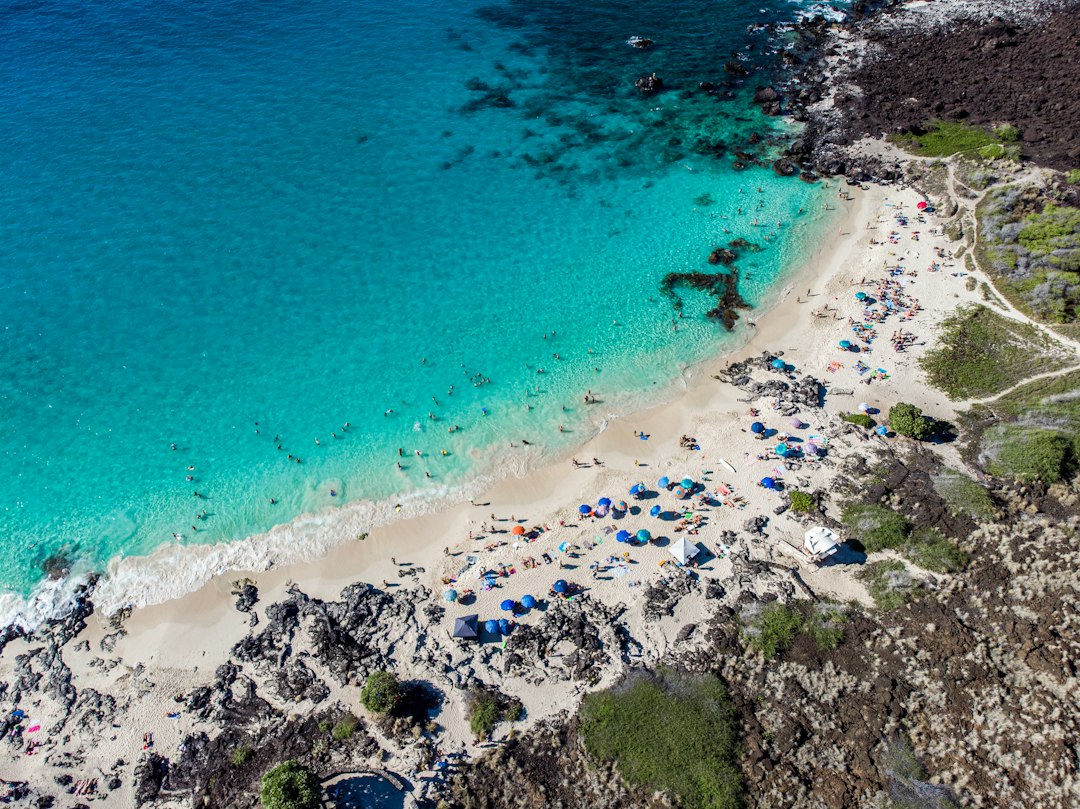
Is Kua Bay the default place for a first snorkel?
No. Beach beauty is not a beginner assessment. Choose the site with appropriate local guidance, instruction and current conditions.
A practical go/no-go decision for a first snorkel
Make three checks: everyone meets the activity’s swimming requirements, the entry and exit suit the group, and current ocean conditions are appropriate. If any answer is unclear, ask a qualified operator or lifeguard before entering. Gear available at the house does not answer those questions.
Choose a guided introduction if that better matches your experience. Keep a land-based companion plan and avoid scheduling a nonrefundable excursion immediately after a long arrival journey. Wildlife sightings and a calm-looking photograph are not guarantees of the conditions you will encounter.
Choose a home for this itinerary
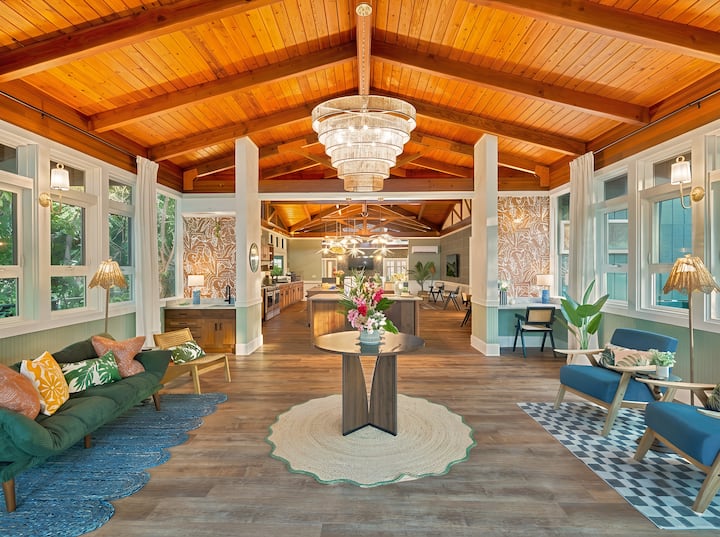
Spacious Kona Retreat
The Keauhou-area home is worth comparing for a Keauhou departure and a relaxed meal after the tour.
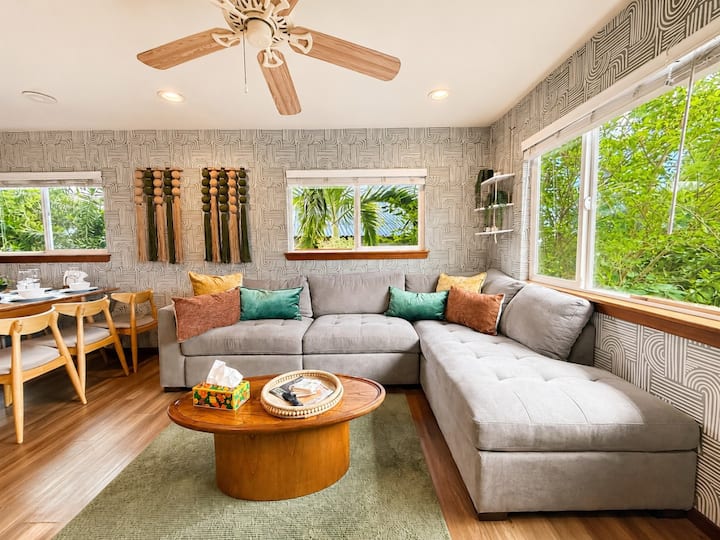
Kona Vacation Home
A smaller Kona home with a kitchen can suit travelers organizing a town check-in and simple meals around the outing.
Features are specific to each Airbnb listing. Check the current guest limit, bed layout, access, house rules and full price for your dates. Public map locations are approximate.
Official information for planning this outing
- Beach selection and ocean guidance — Hawaiʻi Department of Health
- Marine wildlife viewing in Hawaiʻi — NOAA Fisheries
- Hawaiʻi Island state parks and access notices — DLNR
Use these sources for current access, schedules, participation requirements and fees. Conditions can change after publication.
Visitor-information sources: The Kohala Center: Kahaluʻu Bay and ReefTeach; Hawaiʻi Ocean Safety; Hawaiʻi DLNR: Kealakekua Bay Marine Life Conservation District; NOAA Fisheries: marine wildlife viewing. Research reviewed September 27, 2026. Opening, fees, reservations and access can change; confirm the current arrangements with the named organization.