A family reunion in Kona is successful when different generations can enjoy being together without doing every activity together. The most useful plan has a few shared anchors, clear meal and transport arrangements, and space for rest. A grandparent, a small child and an enthusiastic swimmer do not need the same day to feel included.
Begin with the accommodation’s confirmed occupancy and gathering rules. A home that sleeps the family is not automatically permitted to host a larger event or additional visitors.
Before you go: Planning update — September 30, 2026: Check current park, road and ocean conditions before setting out. Local restrictions can change; choose a suitable alternative if an area is closed.
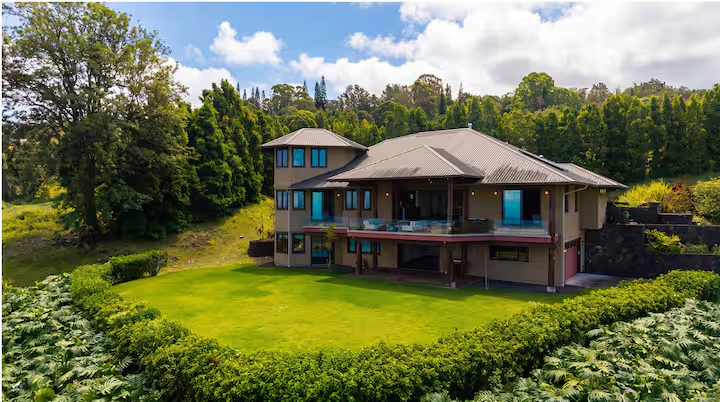
Cover photo: Kona Hilltop Estate, from the property gallery.
Plan at a glance
| When | Focus | Plan |
|---|---|---|
| Arrival day | A simple welcome meal | Use flexible timing for travelers on different flights. |
| Shared day 1 | Kona town and family time | Choose a short cultural or waterfront outing and a seated meal. |
| Shared day 2 | South Kona culture | Arrange group access where needed and allow breaks. |
| Flexible day | Split by interests | Ocean activity, art or a quiet day at the home. |
| Shared day 3 | A suitable beach picnic | Keep a land-based meeting point and individual activity choices. |
| Final day | A relaxed meal and departure preparation | Finish shared tasks before flights begin. |
Ask each household what it needs
Collect arrival times, sleeping needs, mobility considerations, dietary requirements and the activities people most want. Ask for a realistic spending range before booking optional excursions for everyone. Use the answers to choose a few shared experiences, not to create a schedule that includes every suggestion. Keep sensitive details within the family and make the practical plan easy for each household to read.
Choose shared outings with places to pause
A compact town visit, a cultural stop and a picnic can give the reunion common memories without requiring identical physical effort. Check actual walking surfaces, restrooms and seating before deciding. Contact venues about large-group arrangements instead of assuming a dozen people can join an ordinary tour together. Keep a clear meeting place so relatives who take a shorter route can rejoin comfortably.
Make the beach day work from the land
Choose an open beach using current advice and establish a base away from hazards. Swimming should depend on conditions, ability and deliberate supervision. Some relatives may prefer shade, conversation or a short visit followed by lunch. Agree on transport for anyone leaving early and keep the food simple. A shared picnic can be the main event even if only part of the family enters the ocean.
Share the work as well as the space
Assign small, specific jobs such as breakfast supplies, cooler preparation, a dinner team or washing up. Do not leave one person responsible for every meal because they organized the booking. Compare the home’s kitchen and dining capacity with the intended group routine. Follow quiet hours, parking limits and visitor rules. If a larger celebration is desired, use a venue and arrangement that explicitly allow it.
Use the flexible day to prevent pressure
Let different groups choose activities suited to them: a guided ocean experience, galleries, coffee or rest. Keep a shared meal afterward if practical. Use a simple message with the plan, meeting point and return time rather than repeated negotiations during the day. Before departure, divide cleanup and packing responsibilities and settle shared expenses so the final family hours can remain relaxed.
Practical checklist
- Confirm occupancy, parking and permission for any gathering.
- Ask attractions about group sizes and booking requirements.
- Plan adult supervision explicitly for children near water.
- Provide transport choices for shorter or optional outings.
- Share meals, costs and household tasks clearly before arrival.
Frequently asked questions
Should the whole family join every activity?
No. Shared meals and a few inclusive outings can hold the trip together while smaller groups enjoy different interests.
Can we invite extra relatives to a large rental?
Only within the property’s confirmed visitor and event rules. Sleeping capacity does not establish permission for an additional gathering.
Turn the reunion into a shared plan
| Responsibility | Decide before the trip | Keep flexible |
|---|---|---|
| Rooms | Assign actual beds and bathrooms to each household using the room-planning guide. | Revisit the shortlist if the sleeping plan requires uncomfortable sharing. |
| Vehicles | Name drivers, count seats and luggage space, and confirm the home’s parking allowance. | Allow a shorter outing or earlier return for one group. |
| Meals | Choose one booked group dinner, one shared home meal and simple breakfasts. | Keep another evening for takeout or smaller-group plans. |
| Activities | Choose two shared highlights and confirm group access with the operators. | Let ocean enthusiasts, art visitors and homebodies split on another day. |
A sample shared day with two afternoon choices
Morning: breakfast at the house, then a short historic Kailua Village outing with a planned meeting point. Lunch: one agreed meal or pickup. Afternoon: some relatives can explore an additional stop while others return for rest, games or the pool where provided. Evening: meet for the confirmed group dinner or a shared meal at home.
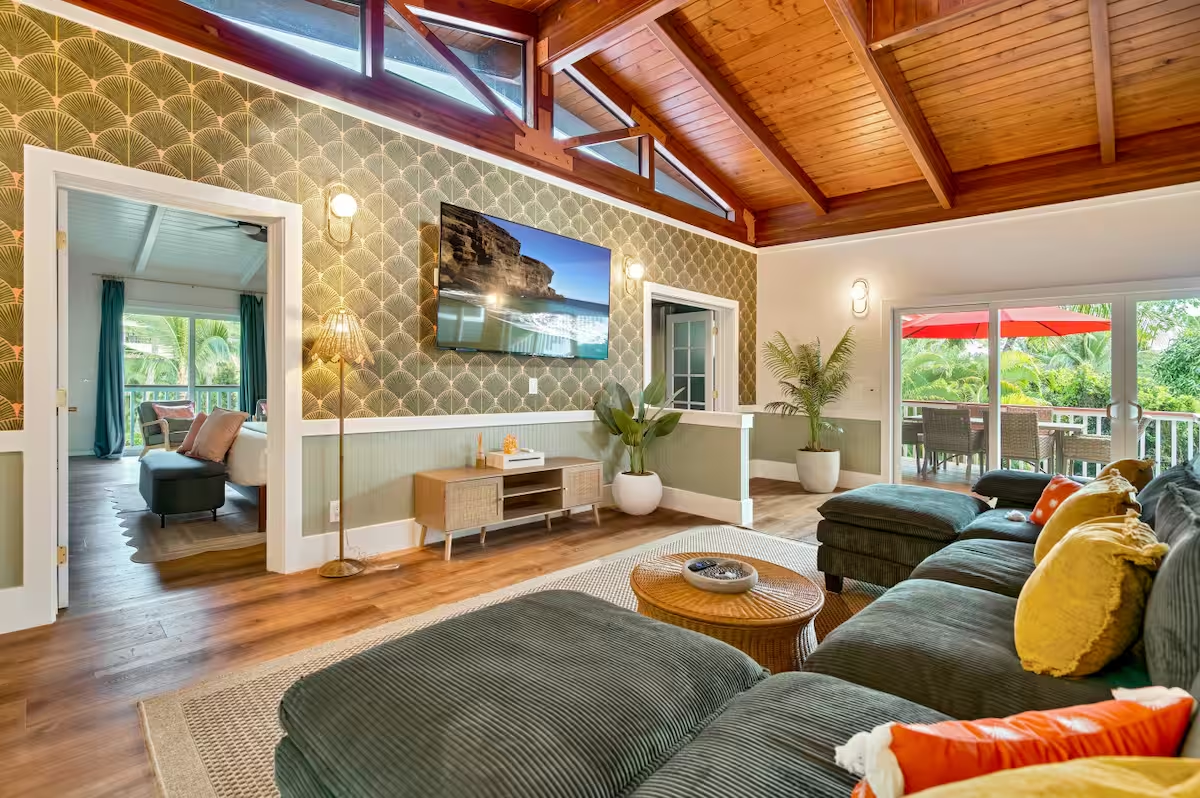
Choose the home’s amenities for this real afternoon: a cinema room, pickleball court or a separate Ohana can matter more than a packed sightseeing schedule. Match each feature to the specific listing and the people using it. Use the dining guide to contact a group venue with the complete headcount, seating needs and budget.
One useful map: Open map ↗. Keep private home directions and access codes in the family’s own arrival notes.
Build a room plan before sending the booking request
List each household, the number of adults and children, required private bedrooms, acceptable shared beds and bathroom needs. Assign actual sleeping spaces from Airbnb to those households; do not treat all maximum-capacity places as equivalent adult beds. Ask about any owner-only areas, stairs, parking and whether the whole group can dine together.
Then send the host the full overnight party and any proposed visitors or gathering. Obtain explicit agreement on the event plan separately from the accommodation booking. Keep one quieter home day in the itinerary and let households opt out of paid outings without losing their place in shared meals.
Choose a home for this itinerary
Start with room assignments and host approval for the complete group. A large sleeping capacity is not permission for a party or event.
- Kona Hilltop Estate: main house and ohana, cinema, lanai, fire pit. Check this home on Airbnb.
- Kona Lava Flow Estate: private pool, pool table, main house and additional wing. Check this home on Airbnb.
Home facts are sourced from Airbnb; review the current listing, guest limit, house rules and full price for your dates before booking.
Official information for planning this outing
- Kona region guide — GoHawaii
- Puʻuhonua o Hōnaunau visitor information — National Park Service
- Responsible travel — GoHawaii
Use these sources for current access, schedules, participation requirements and fees. Conditions can change after publication.
Visitor-information sources: GoHawaii: Kona and Hawaiʻi Island planning; National Park Service: Puʻuhonua o Hōnaunau visitor information; Hawaiʻi DLNR: beach park visitor guidance; Daughters of Hawaiʻi: group-visit information. Research reviewed September 27, 2026. Opening, fees, reservations and access can change; confirm the current arrangements with the named organization.