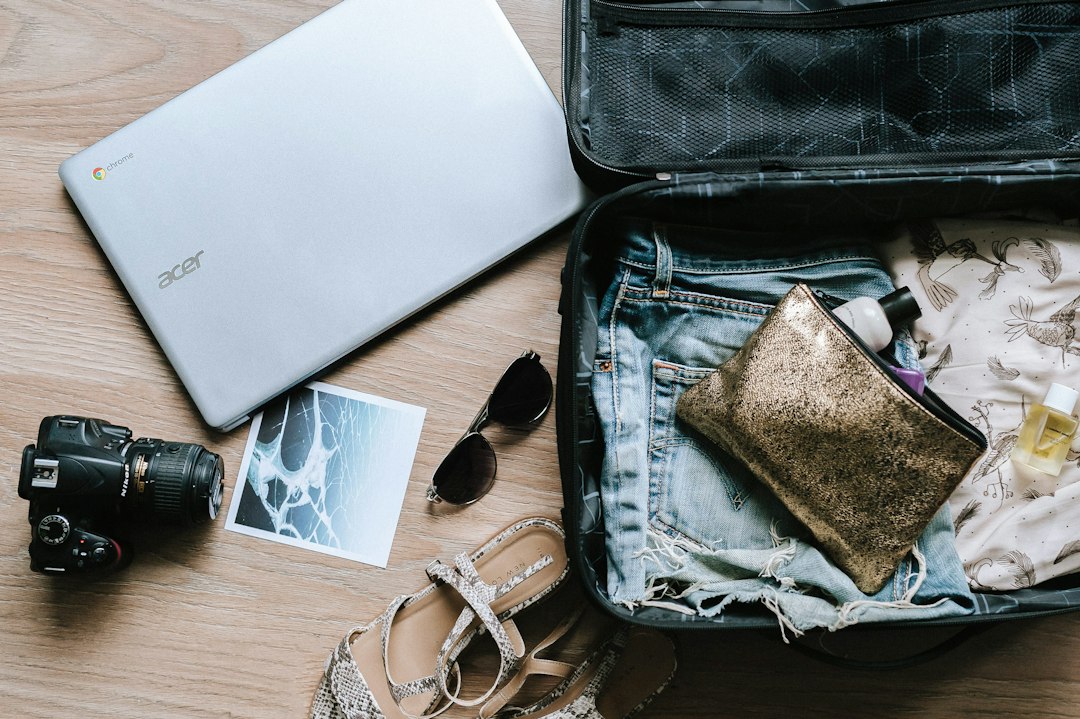
Packing for Hawaiʻi Island means preparing for more than a sunny beach. A week may include warm coastal weather, a wet forest path and a much cooler outing at elevation. Start with the activities you have actually planned, then build a small set of items that work across several days.
A practical bag is organized by use: a beach kit, a walking layer and essentials that stay with you during flights and transfers. Avoid packing equipment for an ambitious activity you have not checked or booked.
Before you go: Planning update — September 30, 2026: Check current park, road and ocean conditions before setting out. Local restrictions can change; choose a suitable alternative if an area is closed.
Cover photo: Packing clothes and a laptop for a trip. Photo: Anete Lūsiņa / Unsplash.
Plan at a glance
| Activity | Useful items | Planning detail |
|---|---|---|
| Beach or pool | Swimwear, towel, sun protection and wet bag | Check what the accommodation provides. |
| Coffee farm or town | Comfortable shoes, water and a light layer | Farm surfaces may be uneven. |
| Forest and volcano area | Grippy walking shoes, rain protection and warmer clothing | Choose the walk before choosing the footwear. |
| Booked ocean outing | Operator-required equipment and a change of clothes | Ask what is supplied. |
| Higher elevation | Warm layers and activity-specific preparation | Clothing does not remove altitude-related limitations. |
Build a beach kit you can carry comfortably
Use a bag that can hold drinking water, towels, sun protection, a change of clothing and a small bag for rubbish. A rash guard or other covering can reduce the amount of skin exposed during an outing. Keep electronics and important items protected and attended. Ask whether beach towels, chairs or a cooler are provided at the exact home, and check their condition before planning around them.
Choose footwear for the ground, not the photograph
Town visits, farm tours and volcanic trails involve different surfaces. A secure walking shoe is more useful on uneven or wet ground than a loose beach sandal. Do not treat water shoes as permission to cross sharp lava, enter rough water or stand on coral. If a hike is central to the trip, use footwear you have already worn comfortably and consider the full route, including the return.
Prepare for rain without making the bag heavy
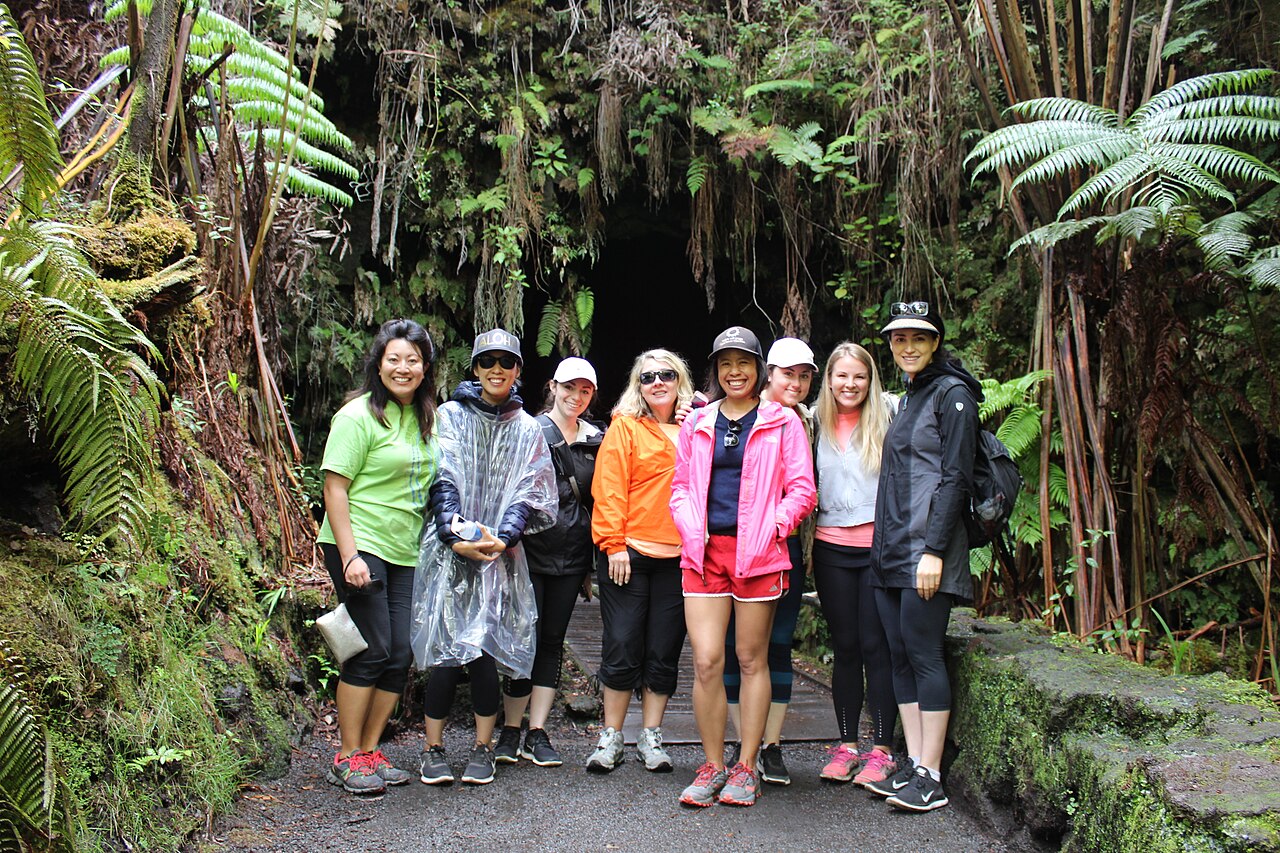
A compact rain layer, protection for your phone and a spare dry top can support many ordinary outings. On a wet day, change the plan if the route or water levels make it unsuitable; rain gear does not make a closed trail available. Forest walks may remain damp even when Kona feels sunny. Pack the items you need in the day bag rather than leaving them in the accommodation across the island.
Treat volcano and mountain outings differently
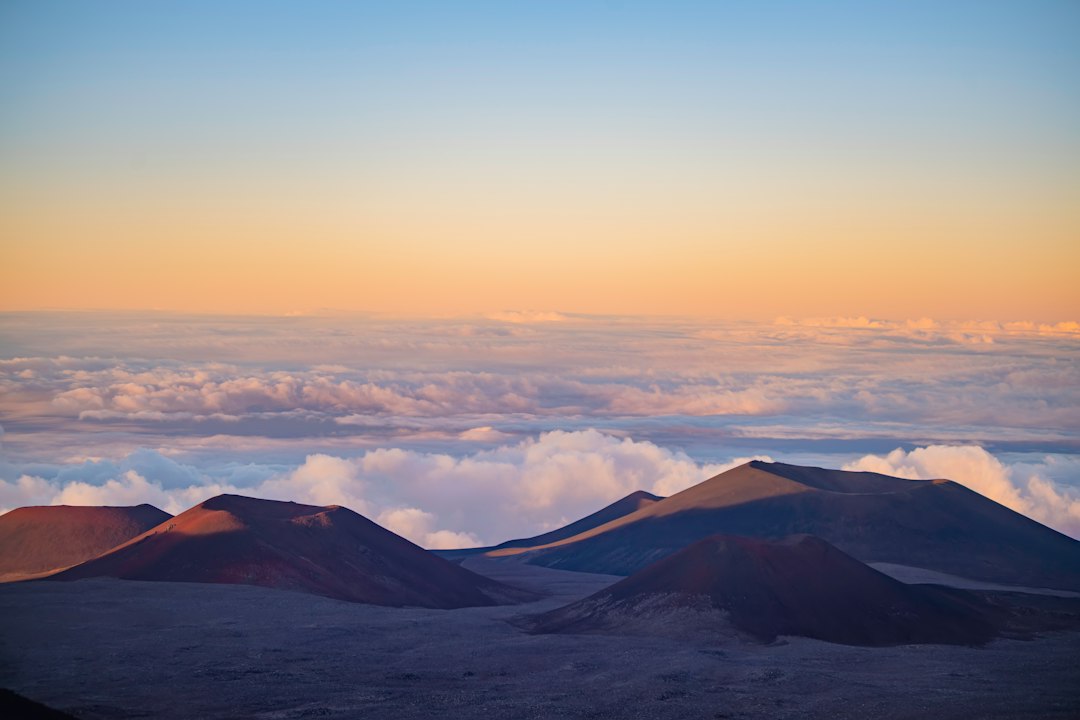
The volcano area calls for layers, weather checks and attention to park air-quality information. A Maunakea outing adds significant altitude considerations and its own visitor guidance. Warm clothing is necessary preparation for a suitable visit, but it does not make the summit appropriate for every traveler. Decide whether you are visiting the information station or considering the summit before organizing equipment and transport.
Keep essentials with the traveler
Carry medication, travel documents, a charger and anything needed during an unexpected delay in a place you can access. Bring a reusable water bottle and refill when appropriate. For children, a familiar snack and a simple change of clothing can be more useful than another bulky beach toy. Keep the final day’s clothes separate from wet equipment so packing does not become a last-minute search through damp bags.
Practical checklist
- Check the airline’s baggage allowance and any equipment restrictions.
- Ask the tour operator what it supplies before buying or packing duplicates.
- Verify the exact rental’s laundry and beach-equipment amenities.
- Pack medication and essential documents in accessible luggage.
- Allow space for a few locally made purchases without exceeding baggage limits.
Frequently asked questions
Do I need heavy hiking equipment for every Big Island trip?
No. Pack for your selected routes. Many travelers prefer cultural visits and short walks, while longer or higher-elevation outings need more preparation.
Can I use one outfit for the beach and a historic building?
Bring an easy change or covering. Cultural venues can have dress expectations that differ from the beach.
Choose a home for this itinerary
Check what your selected Airbnb actually supplies before packing duplicate beach gear, infant equipment or kitchen items.
- Kona Vacation Home: kitchen, air conditioning, wi-fi, backyard bbq. Check this home on Airbnb.
- Hōlualoa Hilltop Home: ocean-view lanai, hot tub, exercise equipment. Check this home on Airbnb.
Home facts are sourced from Airbnb; review the current listing, guest limit, house rules and full price for your dates before booking.
Official information for planning this outing
- Beach selection and ocean guidance — Hawaiʻi Department of Health
- Maunakea: visitor station, road and program information — UH Hilo
- Hawaiʻi Volcanoes trip planning — National Park Service
Use these sources for current access, schedules, participation requirements and fees. Conditions can change after publication.
Visitor-information sources: National Park Service: Hawaiʻi Volcanoes trip planning and safety; University of Hawaiʻi at Hilo: Maunakea visitor safety; Hawaiʻi Ocean Safety visitor guidance. Research reviewed September 27, 2026. Opening, fees, reservations and access can change; confirm the current arrangements with the named organization.