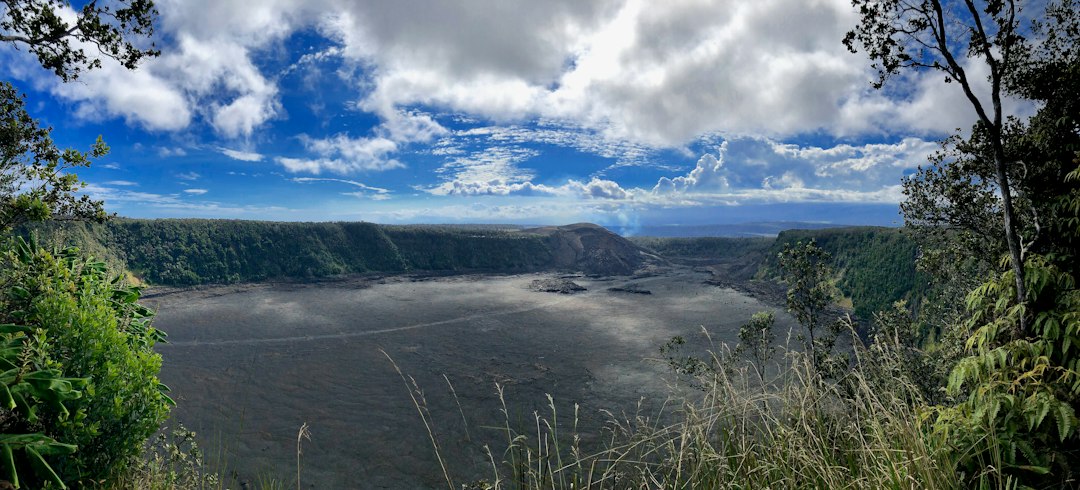
A day trip from Kona to Hawaiʻi Volcanoes National Park is a substantial outing. It works best when the park is the purpose of the day, with a few carefully selected experiences and enough time for the return. The landscape is compelling even without visible lava: volcanic terrain, forest, changing vegetation and the story of an active place.
Planning update — September 30, 2026: Check current park, road and ocean conditions before setting out. Local restrictions can change; choose a suitable alternative if an area is closed. Check the National Park Service’s current conditions and air-quality guidance for the specific park route.
Cover photo: Kīlauea panorama photographed during the October 2021 eruption; conditions today may differ. Photo: oskar holm / Unsplash.
For southern routes, read the current Kaʻū travel note in our Big Island road-trip guide before planning a drive through the district.
Plan at a glance
| When | Focus | Plan |
|---|---|---|
| Before departure | Check alerts and select an open route | Pack food, water, layers and appropriate footwear. |
| On arrival | Obtain current orientation | Use the park’s operating visitor information and staff advice. |
| Main block | One viewpoint and one suitable walk | Choose by access, air quality, weather and the group’s capacity. |
| Later | A meal and a deliberate return | Leave optional roadside stops out if time or energy is short. |
Choose a few experiences before choosing every stop
A first visit can be built around interpretation, a crater landscape and one walk that fits the group. Some travelers prefer a short forest outing; others prioritize a longer trail. Do not schedule every named route simply because it appears nearby on a park map. Parking availability, closures and the pace of the group determine what is realistic. A focused visit offers more understanding than a hurried circuit of viewpoints.
Check the actual route at Nāhuku or Kīlauea Iki
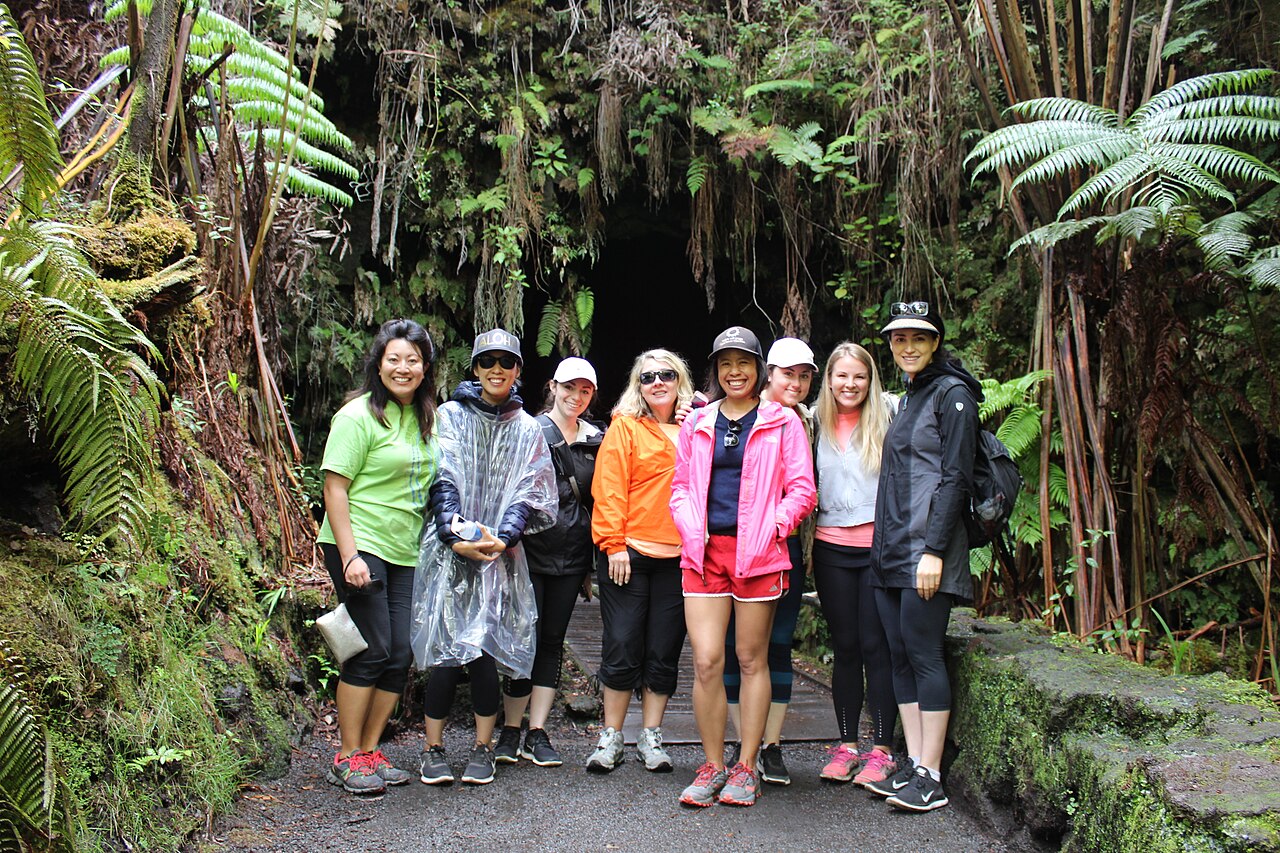
Nāhuku and Kīlauea Iki are different experiences with their own walking demands and access conditions. Read the current trail information, not just a list of highlights, and decide whether steps, wet surfaces or a longer descent and return suit everyone. Parking can be limited. Keep a shorter open alternative so you are not committed to a route that proves unsuitable after the long drive.
Dress for the park rather than the Kona morning
Carry a warmer layer and rain protection as well as water and food. Conditions can differ markedly from the coast. Follow the park’s air-quality and hazard guidance, especially if anyone has a health concern affected by volcanic gases. Stay behind barriers and on designated routes. The right equipment supports a suitable activity; it does not make a closed or hazardous area appropriate to enter.
Separate eruption photographs from a promise
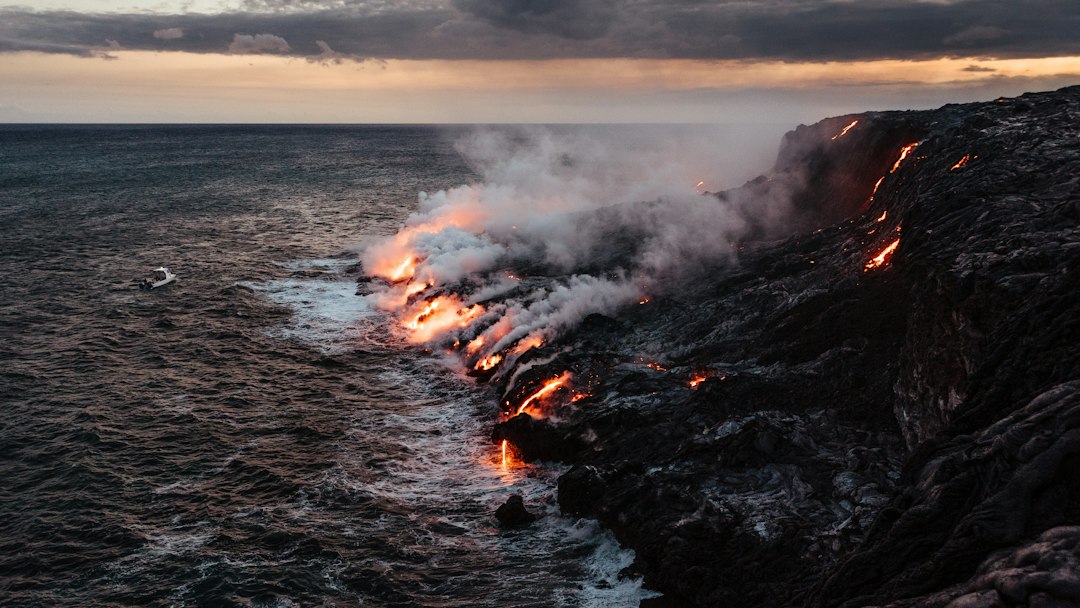
Historical lava images show past activity. An eruption may pause, visibility may change and the safest permitted viewing location may be far from what an older photograph suggests. Build the day around the park’s broader geology and ecology so it remains worthwhile regardless of activity. If current viewing attracts crowds, expect additional parking and access constraints rather than assuming you can drive straight to an unobstructed viewpoint.
Keep the return manageable
Choose the route using current roads and the driver’s comfort. A Punaluʻu stop on a southern route can add a different landscape, but only if daylight and the schedule genuinely allow it. Do not add Hilo waterfalls and a mountain summit to the same day. Plan a simple evening back in Kona and a lighter following morning. If you want repeated walks or a later park experience, consider an overnight instead.
Practical checklist
- Confirm the park has reopened and check the specific areas you intend to use.
- Carry food, water, layers and a saved route.
- Choose one substantial walk rather than several competing hikes.
- Follow current air-quality advice and all barriers.
- Set a return plan before adding optional stops.
Frequently asked questions
Will we see flowing lava?
That cannot be promised. Activity, visibility and permitted access change, and historical photos do not describe current conditions.
Can we do a full Hilo day on the same outing?
A substantial Hilo visit and a focused national park day deserve separate time. Combining them can leave very little time outside the car.
Choose a home for this itinerary
A Kona home can anchor the rest of the holiday, but the volcano day needs its own transport and return plan.
- 3-Bedroom Ocean View Pool Home: private pool, ocean-view lanai, air conditioning. Check this home on Airbnb.
- Kona Vacation Home: kitchen, air conditioning, wi-fi, backyard bbq. Check this home on Airbnb.
Home facts are sourced from Airbnb; review the current listing, guest limit, house rules and full price for your dates before booking.
Official information for planning this outing
- Hawaiʻi Volcanoes trip planning — National Park Service
- Hawaiʻi Volcanoes entrance fees — National Park Service
Use these sources for current access, schedules, participation requirements and fees. Conditions can change after publication.
Visitor-information sources: National Park Service: Hawaiʻi Volcanoes planning information; National Park Service: current conditions and construction closures; National Park Service: Nāhuku and Kīlauea Iki routes; GoHawaii: current Kaʻū travel advisory. Access guidance checked September 30, 2026. Research reviewed September 27, 2026. Opening, fees, reservations and access can change; confirm the current arrangements with the named organization.