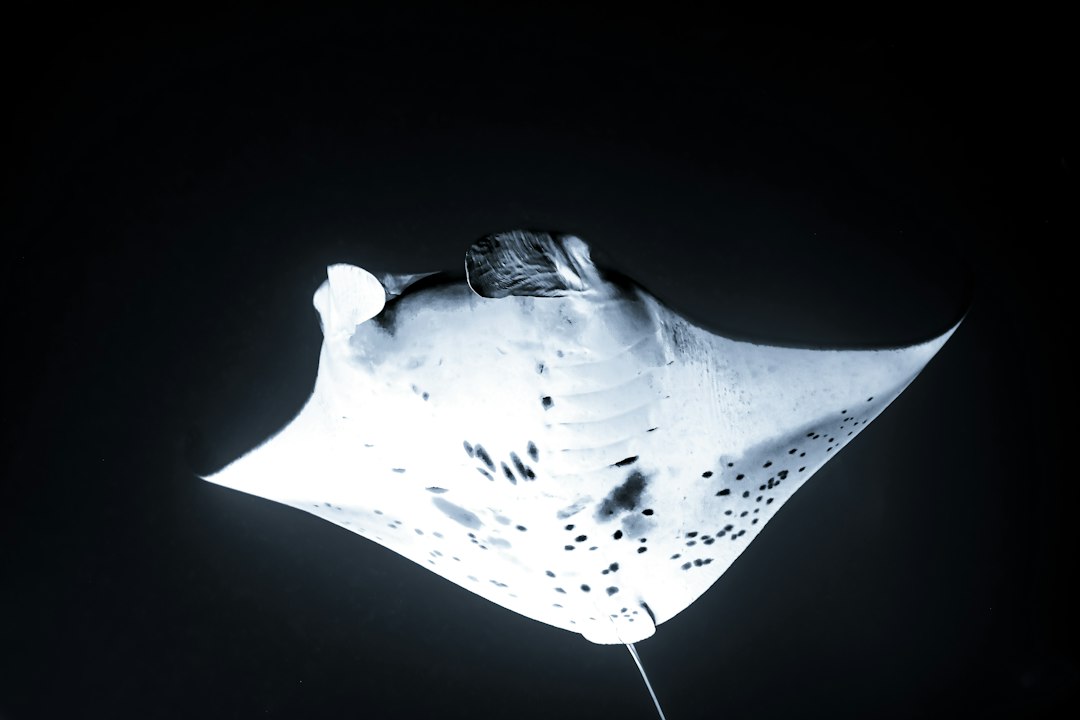
A Kona manta experience can be a memorable evening, but it is a real ocean activity that deserves preparation. Choose it because the format suits you, not because a photograph makes every participant look effortless. Darkness, boat movement, water entry and time in the sea can all shape how the outing feels.
Start with the operator’s requirements and the swimming ability of everyone who wants to enter the water. People who prefer to stay on land should have an equally enjoyable evening plan.
Cover photo: Hāhālua (manta ray), photographed off Kalaoa, Hawaiʻi Island. Photo: Kinø / Unsplash.
Plan at a glance
| Question | What to ask | Why it matters |
|---|---|---|
| Participation | What swimming experience and physical ability are required? | Equipment does not replace the operator’s eligibility rules. |
| Departure | Where exactly is check-in and where does the vessel leave? | Kona-area trips use different locations. |
| Format | What is included and how is water entry managed? | Vessels, equipment and group arrangements differ. |
| Conditions | What happens if weather changes or no mantas appear? | Read cancellation and rebooking terms before paying. |
| Return | When and where does the trip end? | Plan a comfortable meal, dry clothes and transport. |
Be honest about swimming comfort
Some operators require participants to swim without relying on flotation and may have additional age, health or physical requirements. Read the rules for the specific excursion and ask questions before booking. A lightboard or flotation aid used during the experience does not automatically make it suitable for a non-swimmer. Someone who is uncertain in the ocean can choose instruction on another day or a different evening activity.
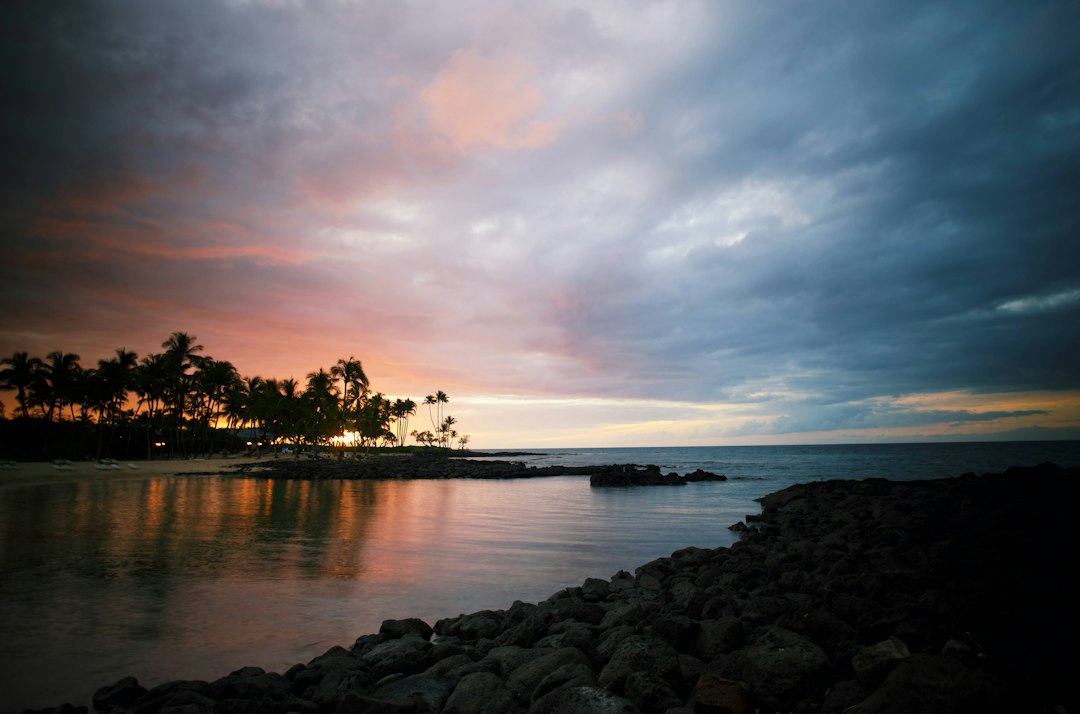
Compare the actual experience, not only the price
Ask about the vessel, boarding, group size, guide support, equipment and time on the water. Determine whether the trip includes a sunset portion or begins later, and how that affects dinner and children’s routines. Check the real check-in point rather than searching only for a well-known manta viewing area. The provider’s arrival instructions should shape the evening’s transport and meal timing.
Let the guides manage the encounter
Mantas are wildlife, and the responsible role of the visitor is to observe without reaching, touching or chasing. Follow the guide’s position and equipment instructions and keep out of the animals’ path. Do not attempt to recreate the activity independently at night after watching a video. An organized experience should explain how to behave as well as how to use the equipment.
Treat sightings as possible, not guaranteed
Wildlife does not appear on a fixed schedule. A provider may offer a rebooking policy under particular conditions, but that is not the same as a guaranteed sighting or a refund. Read the terms, including availability and who qualifies. If the activity is a priority, placing it earlier in the stay can create flexibility, although the weather and operator’s schedule still determine whether a second attempt is practical.
Keep the rest of the day light
Choose a local morning, rest before departure and allow time to eat appropriately for your own comfort. Bring the items the provider requests and a dry layer for afterward. Arrange a clear return plan so the group is not organizing transport while tired and wet. Companions who do not join can enjoy a waterfront meal or a quiet evening, then meet again without pressure to participate.
Practical checklist
- Read the exact operator’s swimming and participation requirements.
- Confirm check-in location, timing and parking separately from the viewing area.
- Ask what equipment and clothing are supplied.
- Respect the no-touch, no-chase approach to wildlife.
- Review weather, cancellation and no-sighting terms before booking.
Frequently asked questions
Can non-swimmers automatically join with a flotation device?
No. Requirements vary and some operators explicitly exclude non-swimmers. Confirm eligibility directly before paying.
Are manta sightings guaranteed?
No. The animals are wild. Any repeat-trip policy has its own conditions and should be read carefully.
Compare actual departure formats
| Operator / published format | What the official information helps you compare | Next step |
|---|---|---|
| KONASTYLE · Kailua Pier | A town departure; the FAQ requires participants entering the water to know how to swim. | Check the exact tour’s eligibility and the check-in time in your confirmation. |
| Hawaii Oceanic · Keauhou | Its FAQ states a 12-passenger boat limit and offers ride-along tickets. A larger rental group cannot assume it will fit on one departure. | Ask about seats for the full group and the published swimming and age requirements. |
| Fair Wind · Keauhou | Compare its manta offering and group-charter options. The operator publishes separate cancellation terms for reservations of 10 or more. | Ask which vessel and terms apply to the exact excursion and party. |
These examples help compare formats; they are not a ranking or a live availability feed. Book through the operator’s current page. For a group that includes non-swimmers, confirm ride-along eligibility or choose a separate land-based dinner plan. Our Kona dining guide gives that second group a useful evening choice.
Plan from the check-in point: Open map ↗ · Open map ↗. Use the operator’s actual instructions for the meeting spot, parking and check-in buffer.
Keep the daytime outing short, prepare dry clothes before leaving the house and agree transport for the return. Compare Kona bases before choosing the home for your stay.
Planning sources
- KONASTYLE participant FAQ
- Hawaii Oceanic: meeting point, capacity and ride-along information
- Fair Wind: group cancellation terms
Planning details checked October 11, 2026. Follow the operator’s current booking confirmation for hours, access, participation requirements and charges.
Choose the manta-trip format before you pay
| Choice | Useful when | Confirm with the operator |
|---|---|---|
| Sunset departure | You want an earlier evening that includes coastal views | Actual check-in time, meal timing, boat ride and return |
| Later night departure | Your group can comfortably manage a later return | Transport after the trip, waiting time and swimming requirements |
| Remain on land | A companion does not meet participation requirements or prefers a dry evening | A separate dinner or waterfront plan; do not assume every boat accepts ride-along guests |
Compare the same inclusions when reviewing prices: equipment, group format, time on the water and the terms if no mantas appear. A shorter drive to an advertised viewing bay is not necessarily a shorter drive to the operator’s check-in point.
Choose a home for this itinerary
For a Keauhou departure, compare a Keauhou home with the Aliʻi Drive area and verify the check-in point before calculating travel time.
- Spacious Kona Retreat: five king bedrooms, bunk room, group kitchen, game room. Check this home on Airbnb.
- Kona Luxury Estate: private pool, air conditioning, multiple bedroom suites. Check this home on Airbnb.
Home facts are sourced from Airbnb; review the current listing, guest limit, house rules and full price for your dates before booking.
Official information for planning this outing
- KONASTYLE: compare sunset and late-night manta trips
- Marine wildlife viewing in Hawaiʻi — NOAA Fisheries
- Beach selection and ocean guidance — Hawaiʻi Department of Health
Use these sources for current access, schedules, participation requirements and fees. Conditions can change after publication.
Visitor-information sources: KONASTYLE: manta night excursion information; Hawaiʻi Marine Life Charters: participation FAQ; Manta Ray Advocates: interaction guidelines; NOAA Fisheries: reef manta research and wildlife guidance. Research reviewed September 27, 2026. Opening, fees, reservations and access can change; confirm the current arrangements with the named organization.