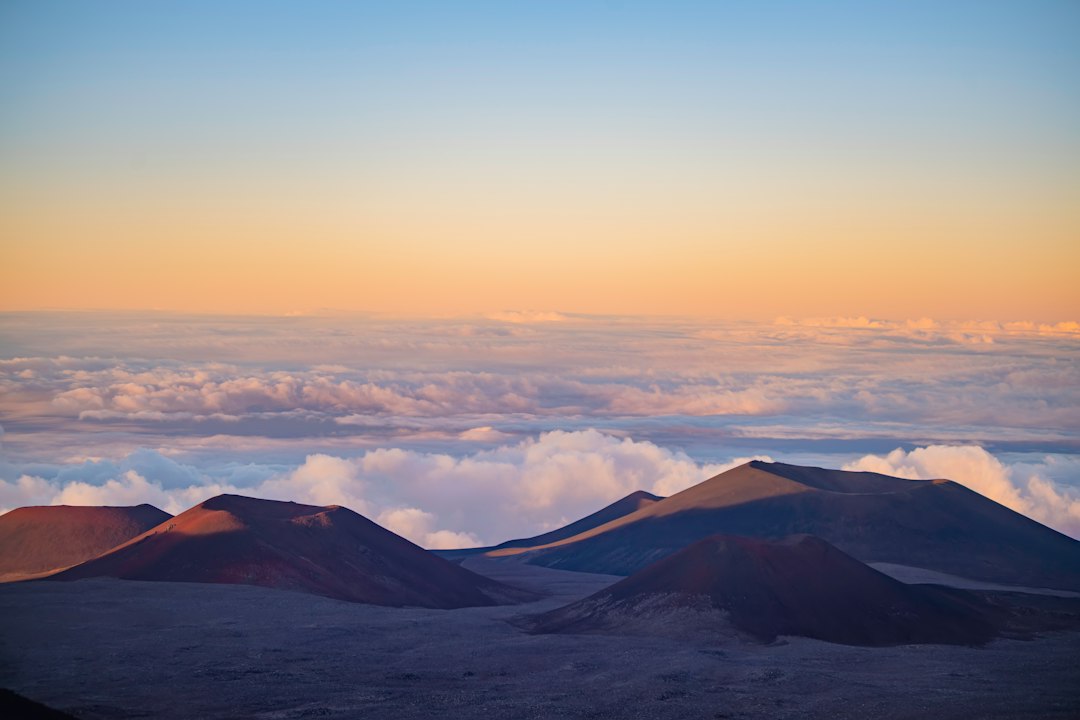
Maunakea requires a different kind of planning from a coastal outing. The Visitor Information Station is already at high elevation, and the summit involves additional altitude, road and access considerations. Decide which destination is appropriate before organizing the day, clothing and transport.
The mountain is a culturally significant place as well as a scientific landscape. Visit with respect for current guidance and your own limits; a dramatic sunset image is not a reason to ignore either.
Cover photo: Maunakea summit scenery; summit access is separate from a Visitor Information Station visit. Photo: Tell Death I'm Busy / Unsplash.
Plan at a glance
| Planning issue | Visitor Information Station | Summit |
|---|---|---|
| Altitude | About 9,200 feet; already high elevation | Substantially higher, with additional restrictions. |
| Vehicle | Check the current road and access conditions | Specific vehicle suitability and rental permission are essential. |
| Experience | Orientation and permitted visitor activities | A separate decision subject to access, weather and health guidance. |
| Timing | Follow current operating arrangements | Summit access is restricted overnight; check the exact rules. |
Treat altitude as the first decision
University guidance advises that children under 13, pregnant travelers and people with certain heart, respiratory or blood-pressure conditions should not go above the Visitor Information Station. It also advises against going above the station within 24 hours of scuba diving. These are not issues solved by a warm coat or a short stop. Anyone with a relevant health concern should discuss the trip with a clinician and follow the official visitor guidance.
Understand what the station visit offers
The station provides a place for visitor information and orientation to the mountain. Check which facilities and programs are operating on your date rather than assuming an advertised telescope event occurs every night. Even here, the elevation can affect people. Bring suitable layers and allow time to assess how everyone feels. A lower-elevation alternative is a valid plan if the visit is unsuitable for a member of the group.
Check the vehicle and rental terms separately
Do not drive above the station in an unsuitable vehicle. Check the current summit-road notice and UH Hilo safety guidance, then confirm your exact vehicle with the rangers. The road notice specifies 4×4; do not assume that an AWD rental is accepted. A rental company may prohibit the route even when the vehicle itself appears capable. Check both before going. If choosing a tour, ask about its current route, participant restrictions and what happens when summit access closes.
Keep the summit and stargazing plans distinct
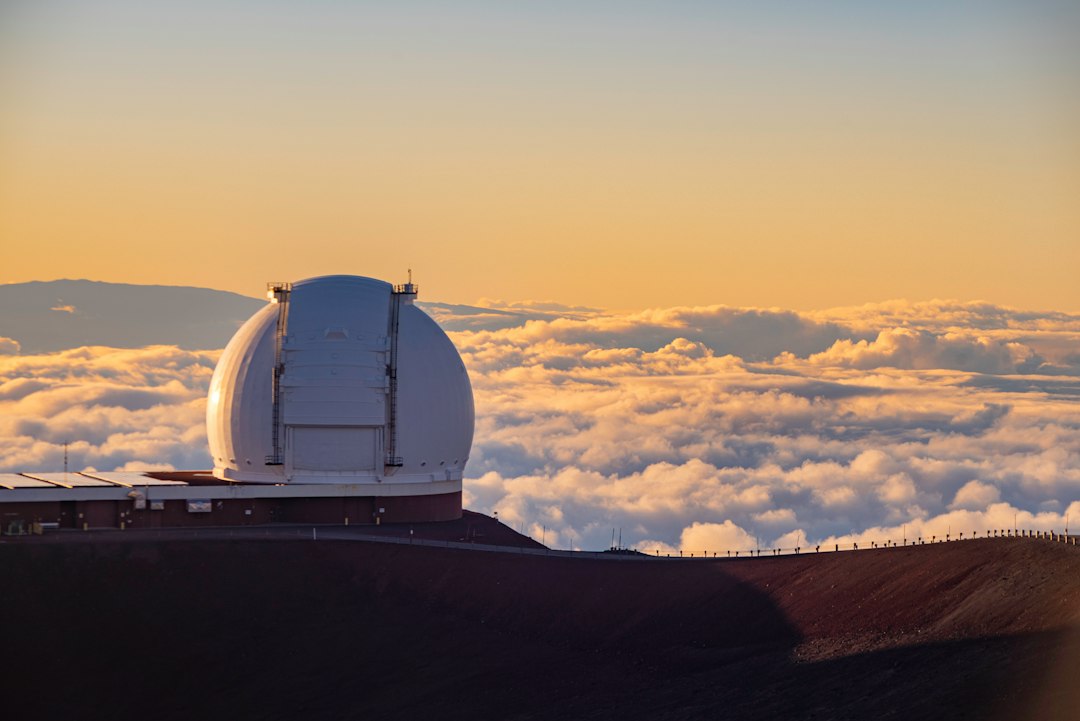
The summit closes overnight under the visitor rules; it is not an unrestricted place to remain after sunset for stargazing. Follow the current designated arrangements for any nighttime activity below. Most observatories are working facilities, not walk-in public attractions. Weather can cancel access, and clouds may change the view. Plan a meaningful visit without promising an observatory tour or a particular sky photograph.
Make the rest of the day light
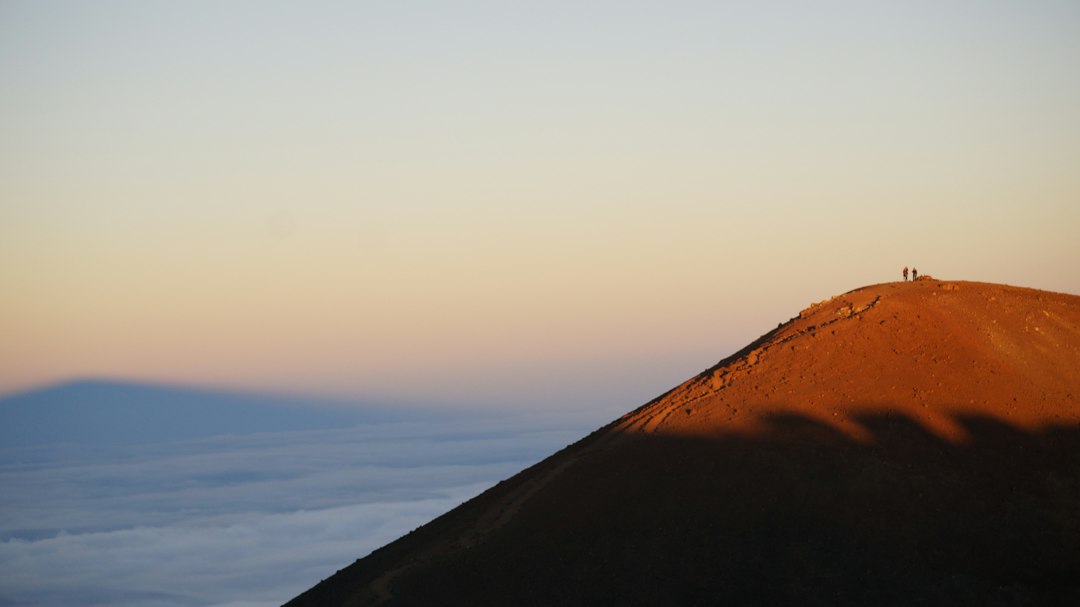
Avoid combining the mountain with an exhausting hike, a full volcano-park day or a schedule that requires a tired driver to hurry. Carry food, water and warm layers, and check road and weather notices before departure. Stay on designated routes and respect cultural places. If anyone becomes unwell, follow official instructions and seek appropriate help rather than continuing upward to complete the original plan.
Practical checklist
- Read current University of Hawaiʻi visitor safety guidance before booking.
- Separate station access from summit eligibility.
- Confirm the vehicle’s suitability and the rental contract’s permission.
- Check current closures, weather and operating arrangements.
- Choose a lower-elevation alternative when the trip does not suit the group.
Frequently asked questions
Is the Visitor Information Station at low altitude?
No. At about 9,200 feet it is already a high-elevation destination and deserves its own assessment.
Can every rental SUV go to the summit?
No. Vehicle appearance is not enough. Current ranger requirements, road conditions and the rental agreement all matter.
Choose a home for this itinerary
Choose the mountain outing by official access and individual suitability. A Kona home is a return base, not high-altitude accommodation.
- Hōlualoa Hilltop Home: ocean-view lanai, hot tub, exercise equipment. Check this home on Airbnb.
- Kona Vacation Home: kitchen, air conditioning, wi-fi, backyard bbq. Check this home on Airbnb.
Home facts are sourced from Airbnb; review the current listing, guest limit, house rules and full price for your dates before booking.
Official information for planning this outing
Use these sources for current access, schedules, participation requirements and fees. Conditions can change after publication.
Visitor-information sources: University of Hawaiʻi at Hilo: Maunakea visitor information and public safety; Center for Maunakea Stewardship: visitor guidance. Research reviewed September 27, 2026. Opening, fees, reservations and access can change; confirm the current arrangements with the named organization.