A Hawaii trip is easier to shape when the guides are organized around the decisions you need to make. Use this Hawaii travel planner to choose an island, find an itinerary that fits your time, and explore the beaches, cultural places and practical details that matter to your group.
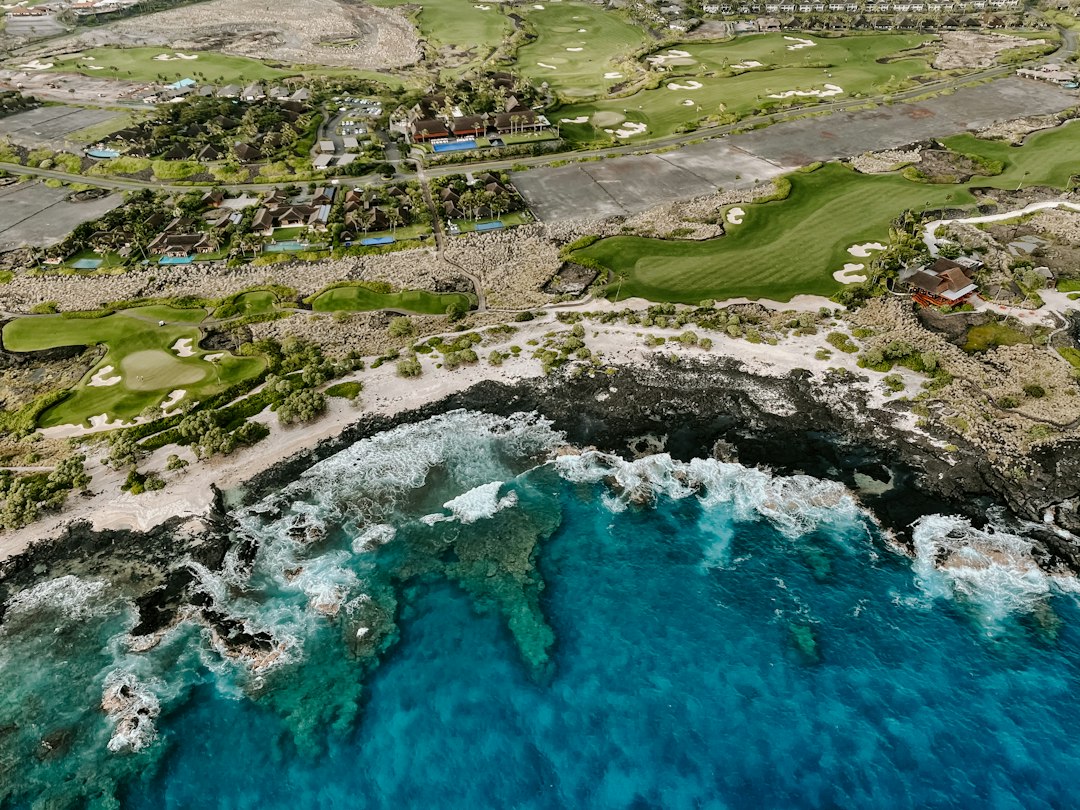
Cover photo: Aerial perspective of the Kona coast. Photo: Julianna Arjes / Unsplash.
You can read this page in order or jump straight to one section. Each collection opens to a set of detailed guides on this website, so you can move from an idea to the information you need without losing your place.
Build your Big Island trip around six different regions
For a Kona-based holiday, pick the kind of day you want first. A coffee-country morning, an east-side garden walk and a volcanic landscape each deserve their own pace. These six regions make a useful starting map; they are not a checklist to finish in one drive.
- Kona: Combine waterfront history, coffee country and a carefully chosen ocean activity. Start with Kailua-Kona and Hōlualoa guide, then choose a farm visit or an evening on the water.
- Kohala: Choose a beach morning on the coast or a separate inland day around Waimea, Hāwī and Kapaʻau. Read the Kona and Kohala route before adding detours.
- Hāmākua: Plan a green, unhurried east-side outing around scenery, small communities and places that are open to visitors. Pair the region with a Hilo stay instead of squeezing it into a late return to Kona.
- Hilo: Build a day around town, gardens and a waterfall walk suited to your group. Our one-day Hilo guide separates worthwhile stops from an overfilled driving day.
- Puna: Consider a separate exploratory day from the east side. Pick an established visitor experience, a meal and a manageable route; recent lava landscapes do not make private roads or closed areas public attractions.
- Kaʻū and the volcano area: Give southern landscapes their own planning time. Read the regional road-trip guide and the dated Kaʻū access note before considering a southern circuit. A volcano overnight is an alternative to making every day a long return drive.
Choose an experience that fits your group
Use the official Kona visitor guide and Hawaiʻi Island state-park notices for current destination information. Home details in our guides come from the individual Airbnb listings; confirm dates, included amenities, house rules and the full price there before booking.
Start with one main activity per day, then add a nearby meal or short stop. Keep a flexible day between long outings so weather, energy and different interests can shape the holiday.
- Beaches and the ocean: Compare Kona beach options, read the first-time snorkeling guide, or explore a manta night experience. A scenic shoreline is not automatically a suitable swimming spot.
- Volcanoes, walks and night skies: Choose a focused national park day or decide whether the Maunakea visitor-station or summit plan fits your group. Treat mountain and ocean activities as different outings with different preparation.
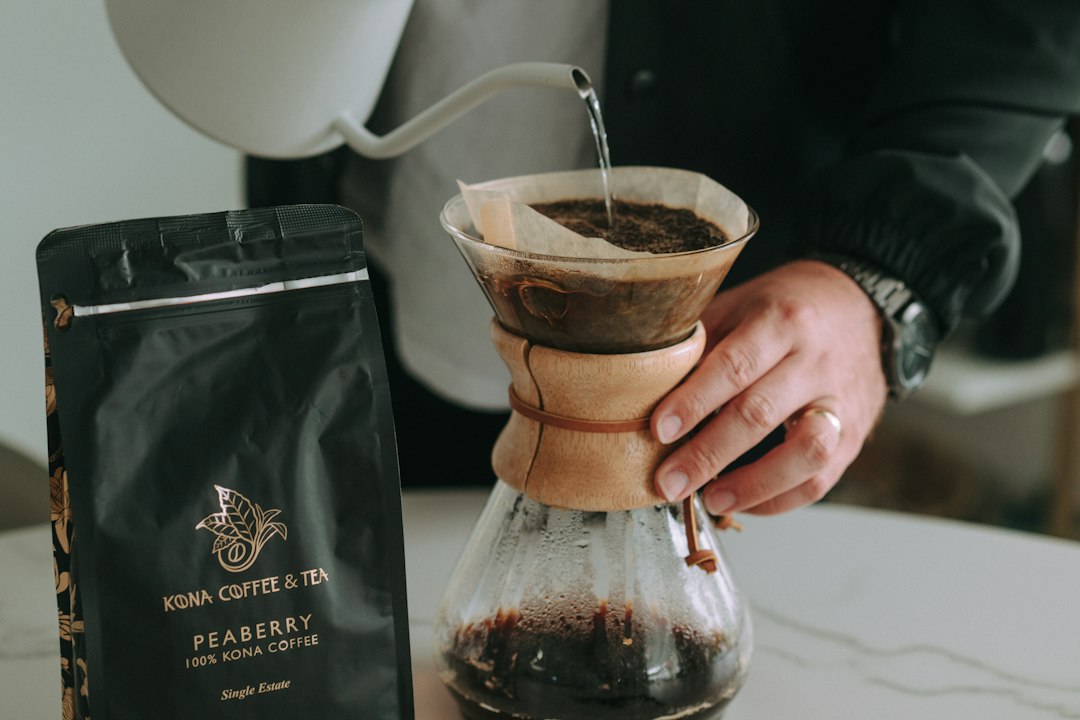
- Food and farming: Choose a coffee-farm or living-history visit, browse local markets and shopping ideas, then explore island food stops. Ask about the specific tour, tasting and dietary arrangements before reserving.
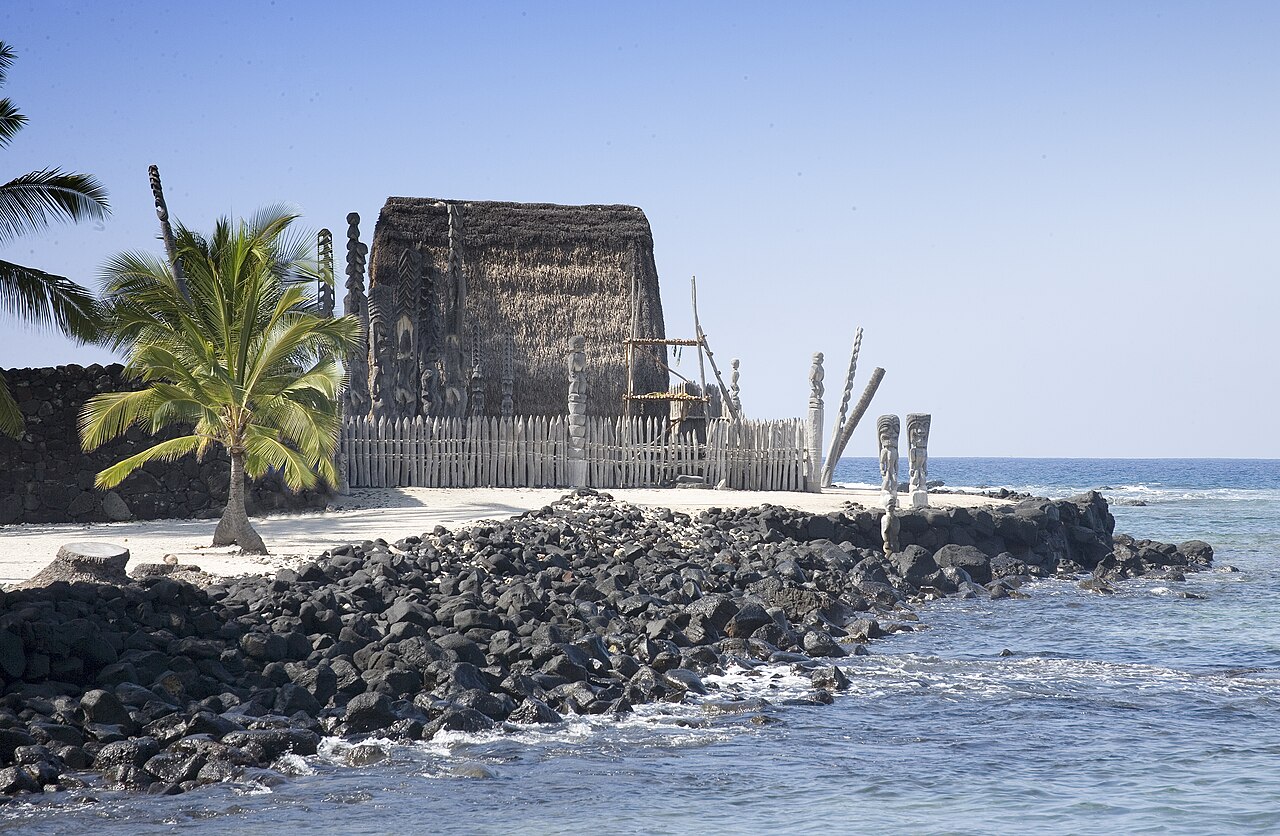
- History and living culture: Combine a historic Kailua Village walk with a thoughtful visit to Puʻuhonua o Hōnaunau. Look for cultural programs led by their practitioners; allow time to listen rather than treating sacred places as photo stops.
- Arts and slow mornings: Make room for Hōlualoa art and coffee, a gallery visit or a quiet café. Confirm studio opening days before making a special drive.
- More ways to spend a day: Golf, an organized riding experience, a guided boat outing, a cooking session, a lūʻau or a wellness appointment can suit different groups. Compare the actual operator, location, access requirements and cancellation terms; this list does not imply that an activity is available for your dates.
- Family time and restful days: Use the family itinerary or the guide to an easier pace as a starting point. Balance a shared outing with time at your selected home, checking its actual amenities first.
A useful first decision: Choose two or three experiences your group cares about most, then build a seven-day Kona plan around them. For a longer visit, compare a Kona–Hilo split stay to reduce repeated cross-island driving.
A simple planning order
- Choose the island and your base. Start with the experiences you care about, then compare the relevant island guides.
- Choose a realistic outline. Select a trip length and adapt it to your arrival, departure and preferred pace.
- Read the detailed guides before committing. Check access, reservations, facilities and current conditions for each experience.
- Leave room to adjust. Keep a quieter day or a weather alternative in the plan.
Before you book: These guides help you plan; they do not confirm live availability or that a park, road, beach or activity is open. Read the dated access notes in each guide and check current official information and operator requirements before travel.
1. Choose your island and your base
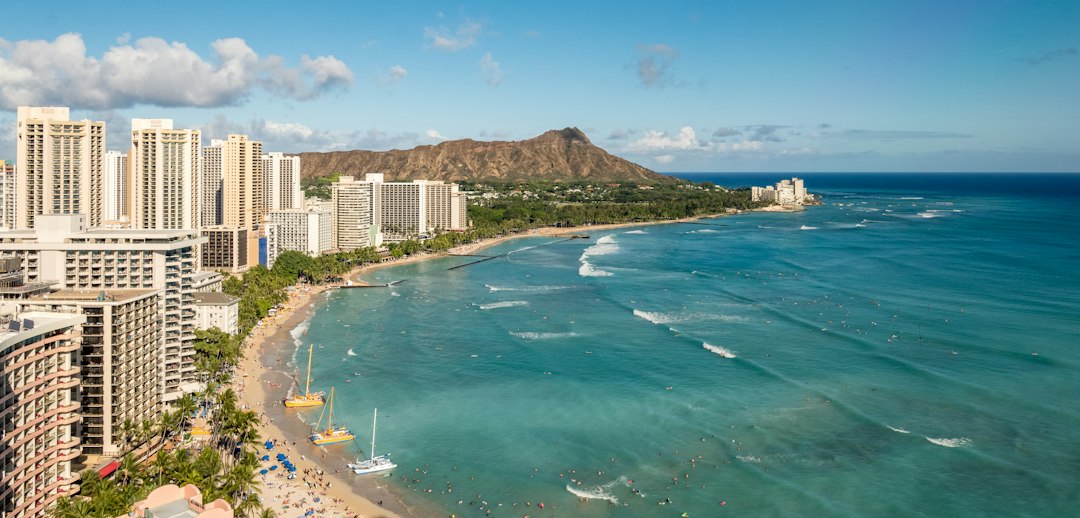
Start here if you are still deciding where to go. Read the broad comparison first, then open the island or base comparison that matches your shortlist. Kona is on Hawaiʻi Island, also called the Big Island; the Oʻahu, Maui and Kauaʻi guides describe separate islands.
Open island and base comparisons
- Your First Hawaii Trip: Choose an Island and Build a 7–10 Day Plan
A starting point for an island choice and a seven-to-ten-day plan. - Which Hawaiian Island Should You Visit? Oahu vs Maui vs Kauai vs Big Island (2026)
Compare the four main visitor islands by travel style. - Kona or Maui? Compare Two Different Five-Day Hawaii Holidays
Compare a Kona-based holiday with a Maui stay. - Kona or Waikīkī? Choose Between a Road-Trip Base and a City-Beach Stay
Compare a road-trip base with a city-and-beach stay. - Four Days on Oʻahu: Waikīkī, Hawaiian Culture and a Planned Beach Day
Turn an Oʻahu shortlist into a four-day outline. - Things to Do in Oahu: Best Beaches, Hikes, and Must-See Sights (2026)
Explore the Oʻahu sightseeing and beach guide. - Five Days on Kauaʻi: South Shore, Hanalei and Dramatic Island Scenery
Build a five-day Kauaʻi plan around different parts of the island.
2. Choose a starting itinerary
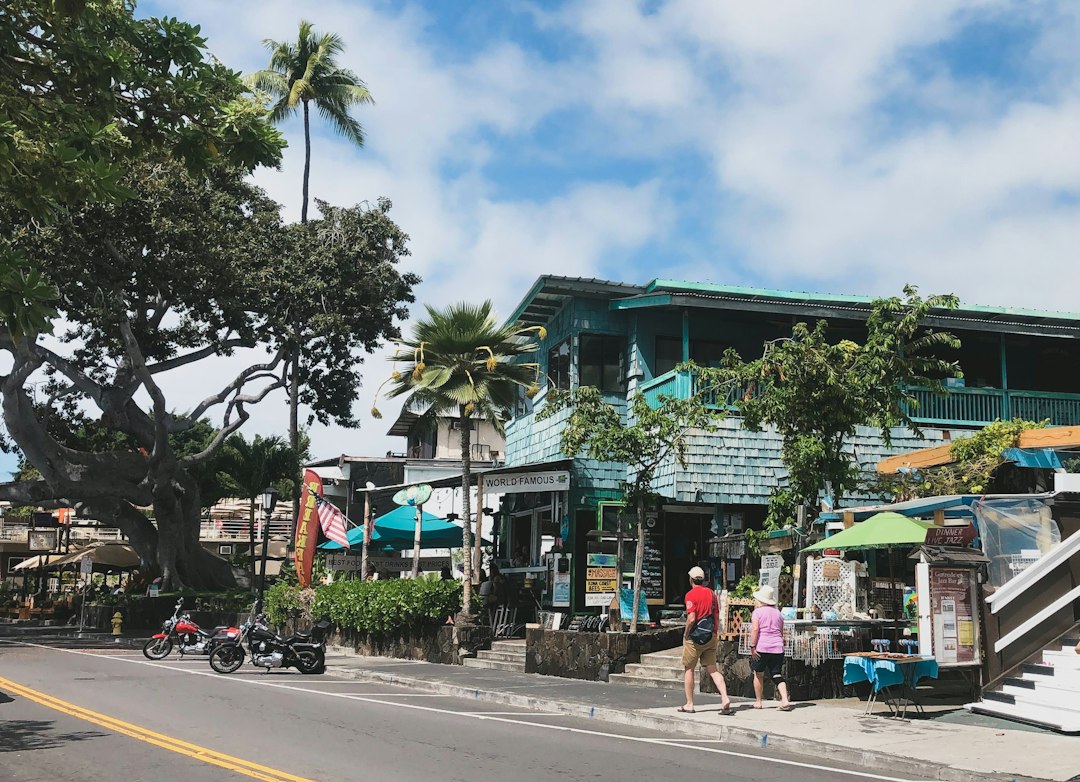
Pick the outline closest to the number of full days you have. Keep your arrival and departure arrangements in view, then use the individual guides to adjust the pace. These are planning frameworks; you do not need to include every stop.
Open itineraries from three to ten days
- Three Days in Kona: A Compact First-Visit Itinerary
A compact introduction for a shorter Kona stay. - Kona and the Kohala Coast: A Four-Day Beach and Culture Route
A four-day route focused on Kona and the Kohala coast. - Four Relaxed Days in Kona: Beach Mornings and Pool Afternoons
Four slower days with beach mornings and time to unwind. - Five Days in Kona: Beaches, Coffee Country and One Big Adventure
Five days combining local outings with one larger excursion. - Seven Days on the Big Island from a Kona Base
A week of planning from a Kona base. - Ten Days on Hawaiʻi Island: A Kona and Hilo Split-Stay Plan
A ten-day outline that divides time between Kona and Hilo.
3. Match the plan to the people coming with you
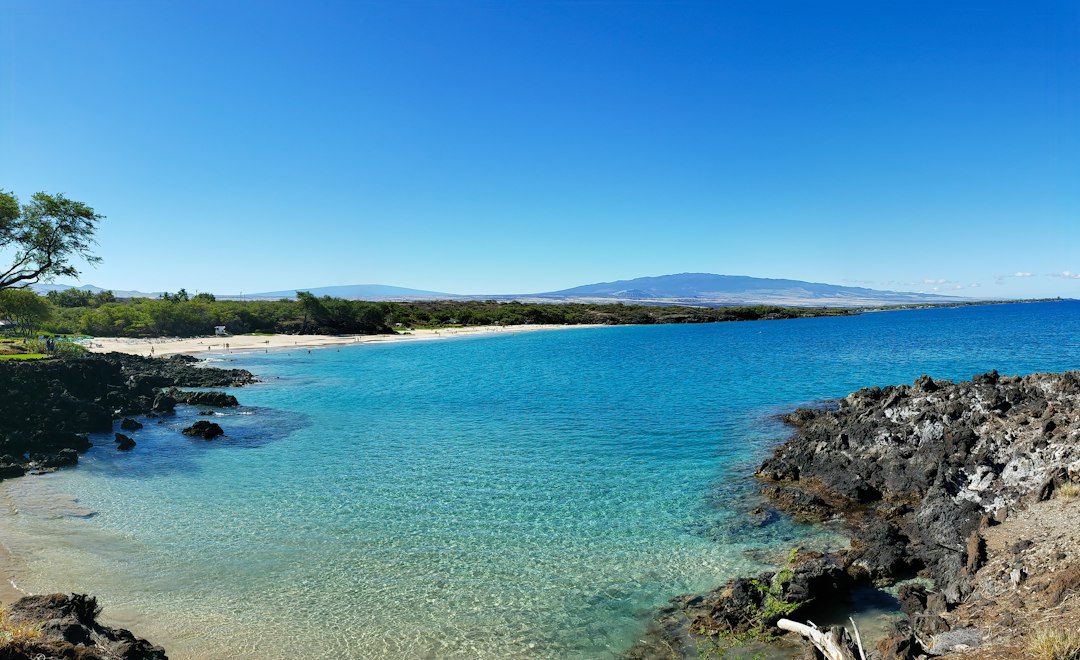
A useful group plan makes room for different energy levels and interests. Choose the guide that resembles your trip, agree on one shared priority, and use the flexible periods for smaller outings or rest. The easier-pace guide includes questions to check about access and facilities.
Open guides for families, groups and slower trips
- Five Days on the Big Island with Kids: Beaches, Culture and Play
A five-day family outline with beaches, culture and play. - A Multigenerational Kona Trip: Four Days at a Comfortable Pace
A four-day plan for a group spanning several generations. - A Week in Kona with Friends: A Group Itinerary That Leaves Room to Enjoy It
A week-long structure for friends traveling together. - A Kona Workation Week: Useful Half-Day Outings Between Work Sessions
Half-day outings to consider around work sessions. - Kona at an Easier Pace: Planning Around Mobility, Shade and Short Walks
Plan around mobility, shade, shorter walks and confirmed access. - A Five-Day Kona Honeymoon: Ocean Time, Coffee Country and Slow Evenings
A five-day honeymoon outline with unhurried evenings. - A Kona Family Reunion Plan: Shared Days, Flexible Activities and Easy Meals
Organize shared activities and flexible time for a family reunion.
4. Find the places that belong together in your plan
Use these guides to explore one area or theme at a time. Read the access and timing notes in the destination guide before adding a stop to your itinerary. Nearby names on a wish list do not always make a comfortable same-day route.
Open neighborhood, cultural-site and landscape guides
- Four Big Island Road Trips from Kona: Choose a Region for Each Day
Start with the regional overview of four road trips from Kona. - Kailua-Kona and Hōlualoa: Waterfront Sights, Coffee Country and Art
Explore Kailua-Kona and the Hōlualoa coffee-country area. - Historic Kailua Village Walk: A Thoughtful Morning on Kona’s Waterfront
Follow the historic Kailua Village waterfront guide. - Hōlualoa Art and Coffee: A Slow Half-Day Above Kona
Plan a focused Hōlualoa art-and-coffee half-day. - Choosing a Kona Coffee Visit: Farm Tour or Living History?
Compare a coffee farm visit with a living-history experience. - A Keauhou Day Plan: Kahaluʻu Beach, Local Food and an Ocean Evening
Build a Keauhou and Kahaluʻu day around your interests. - Two Days in South Kona: Coffee Farms, Kealakekua Bay and Hōnaunau
Explore the two-day South Kona outline. - Kealakekua Bay Planning Guide: History, Access and a Thoughtful South Kona Day
Read the Kealakekua Bay history and access planning guide. - Puʻuhonua o Hōnaunau: A Cultural Visit to the Place of Refuge
Prepare for a cultural visit to Puʻuhonua o Hōnaunau. - Kaloko-Honokōhau: Fishponds, Coastal History and a Kona Half-Day
Explore the coastal history of Kaloko-Honokōhau. - Hāpuna Beach Guide: Plan a Full Beach Morning on the Kohala Coast
Read the dedicated Hāpuna Beach facilities and day-plan guide. - One Day in Hilo: Waterfalls, Gardens and a Walk Through Town
Plan a day around Hilo town, gardens and waterfalls. - Hilo Waterfalls and Gardens: A Focused East-Side Day Plan
Use the focused Hilo waterfalls-and-gardens guide. - Hawaiʻi Volcanoes National Park from Kona: A Focused Day-Trip Plan
Consider the planning requirements for a volcano day trip from Kona. - Volcano Day Trip or Overnight? Choose the Better Big Island Plan
Compare a volcano day trip with an overnight stay. - Maunakea Visitor Information Station or Summit? Plan the Right Outing
Understand the visitor-station and summit planning choices for Maunakea.
5. Choose your beach, ocean or evening activity
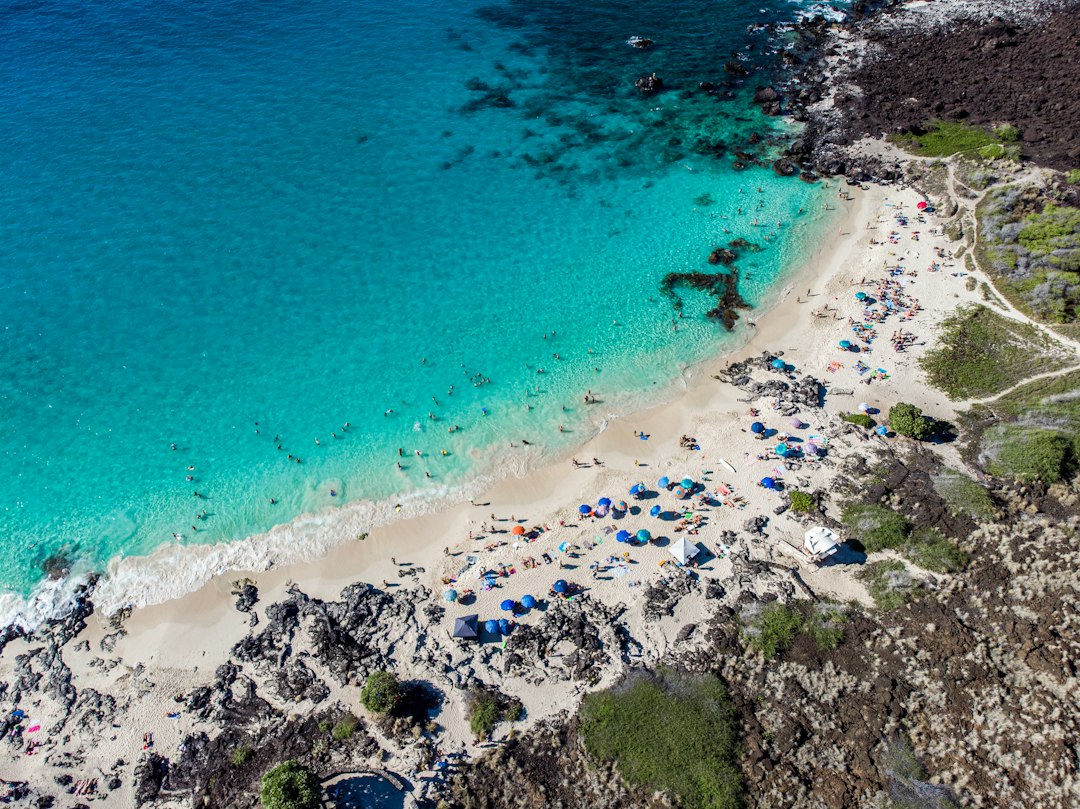
Choose the experience first, then check whether the facilities and conditions fit your group. A scenic beach is not automatically the right swimming or snorkeling location on a particular day. The guides below include preparation and alternative-planning notes.
Open beach, ocean and evening guides
- Seven Famous Hawaii Beaches: Which One Fits Your Trip?
Compare famous beaches across the islands. - Kona Beach Day Planner: Choose by Scenery, Activities and Facilities
Choose a Kona-area beach using activities and facilities. - First-Time Snorkeling in Kona: Preparation, Reef Care and a Flexible Plan
Read the preparation guide before a first snorkeling outing. - Kona Manta Ray Night Experience: What to Know Before Booking
Review what to consider before booking a manta-ray night experience. - Watching Hawaii’s Marine Wildlife: Turtles, Seals, Dolphins and Whales
Read the marine-wildlife viewing guide. - Kona Sunset and Coastal Photography: A Relaxed Evening Plan
Plan an unhurried sunset and coastal-photography outing. - Kona After Sunset: Waterfront Evenings, Manta Trips and Stargazing Plans
Explore waterfront evenings and other after-sunset planning ideas.
6. Handle the practical details
Use this section once your broad plan is taking shape. It brings together the planning tasks that are easy to scatter across several tabs: budget, reservations, arrival, packing, food and a comfortable final day. Keep a weather alternative alongside your main plan.
Open arrival, budget, food and preparation guides
- Hawaii Travel Tips for First-Timers: What Nobody Tells You Before You Go
Review the first-timer tips before making detailed arrangements. - A Practical Hawaii Trip Budget: Plan Seven Days Without Surprise Costs
Build a seven-day budget and list the separate cost categories. - Hawaii Reservations Checklist: Famous Places to Plan Before You Fly
Check which planned experiences need advance arrangements. - Arriving at Kona Airport: A Comfortable Plan for Your First 24 Hours
Organize the first 24 hours after arriving at Kona airport. - A Taste of Hawaiʻi Island: Coffee, Local Dishes and Market Stops
Explore food, coffee and market themes for your trip. - What to Pack for Hawaiʻi Island: Beach, Volcano and Coffee-Country Days
Pack according to the activities on your own itinerary. - Kona Market and Shopping Day: Local Gifts, Picnic Food and an Easy Evening
Plan local shopping, picnic supplies and an easy evening. - Rainy Days in Kona: Culture, Coffee and Comfortable Alternatives
Keep culture, coffee and other rainy-day alternatives ready. - A Relaxed Last Day in Kona Before a Late Flight
Plan your final day around a later flight. - A More Thoughtful Hawaii Trip: Culture, Reefs and Everyday Visitor Choices
Read about thoughtful cultural, reef and everyday visitor choices.
A few questions before you start
Which guide should I read first?
If the island is still undecided, begin with the first Hawaii trip guide. If you have already chosen a Kona stay, select the itinerary closest to your number of full days, then add the detailed place and activity guides you need.
Do I need to follow every stop in an itinerary?
No. Treat the itineraries as starting points. Choose the experiences that suit your group and available time, and adjust them using the access, reservation and practical notes in the detailed guides.
Where can I compare beach facilities?
Open the Kona beach facilities guide for a starting comparison, then use the dedicated destination guide where available. Confirm current services and ocean conditions before deciding on the day’s activity.
Choose your Kona base, meals and travel dates
Turn the itinerary into a stay that works for your group: compare Kona areas, plan a large-family rental, and choose restaurants and group meals. Visiting in November? Start with the 2026 Kona Coffee Cultural Festival planner.
More meals and experiences for your Kona stay
Choose one experience that fits your group, then leave time to enjoy your home base.
- Plan meals at your rental
Compare a private chef, catering, takeout and cooking together. - Choose a Kona lūʻau
Compare venues, seating and family or group arrangements. - Visit salt, seahorse and chocolate producers
Build a learning-focused half-day around the right location and age requirements. - Plan a guided cloud-forest visit
Check trail requirements and compare public and private experiences. - Explore Kona by month
Use seasonal ideas and clearly dated event information before choosing your travel dates.
Planning the Kona part of your trip?
Once you have a clearer idea of your route, compare the locations and amenities of the homes in our Kona and South Kona collection. Check the individual property page for the details that matter to your group.
Explore Kona vacation homes · Browse the latest blog posts
This planner was updated October 11, 2026 with new Kona meal, nature and seasonal guides. Photographs illustrate the places or subjects described; they do not represent live conditions.